How to promote a community event: get listed before you post
An 8-week plan for community organisations, business associations and festival committees: one event page, Google's event results, council what's-on and ATDW listings, a partner kit, then social, email and counting tickets by channel.
A lot of committees start working out how to promote a community event when the day suddenly feels close. A Facebook event goes up. A poster lands on the café corkboard, between a lost cat and three yoga classes. Then everyone posts and hopes.
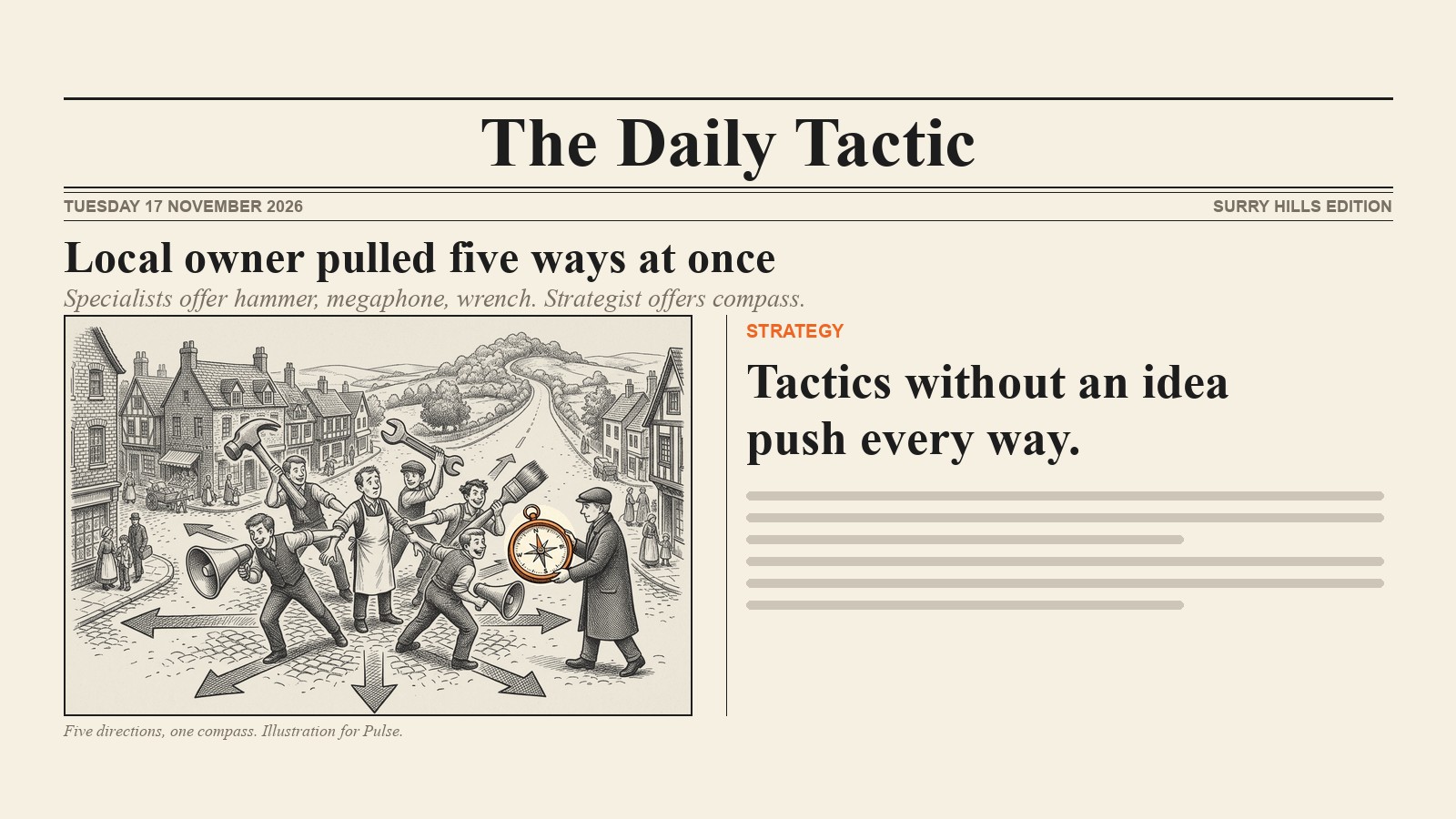
That order is backwards. Social media is the amplifier, not the foundation, and an amplifier with nothing plugged in just hums. I’d do the dull work first: one good page, a few free listings and partners who share. Those jobs need six to eight weeks, which is exactly why they get skipped.
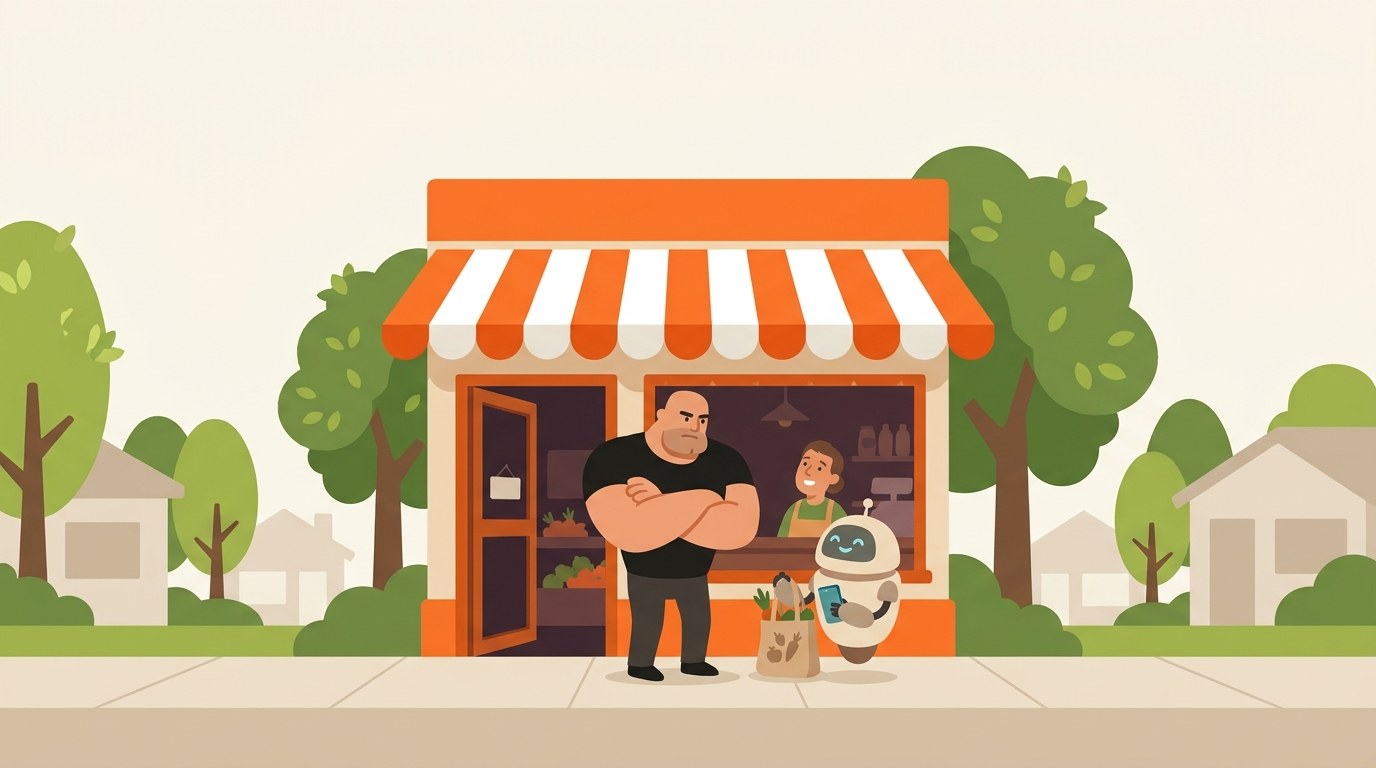
Think of the Bunnings sausage sizzle: nobody sets up the barbecue in a back lane and then posts about it. You book the spot where the foot traffic already is, weeks ahead. This guide is an eight-week plan built the same way, plus a way to show sponsors what sold tickets.
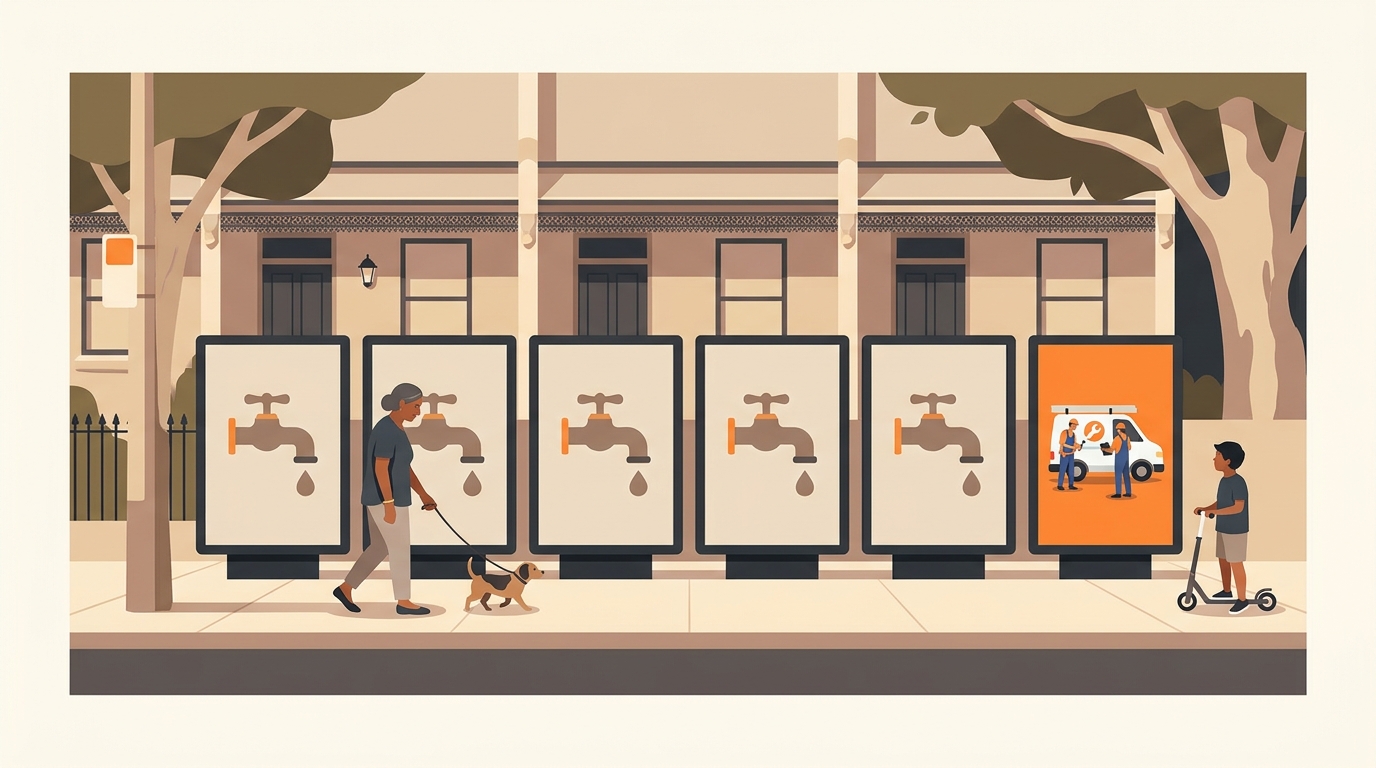
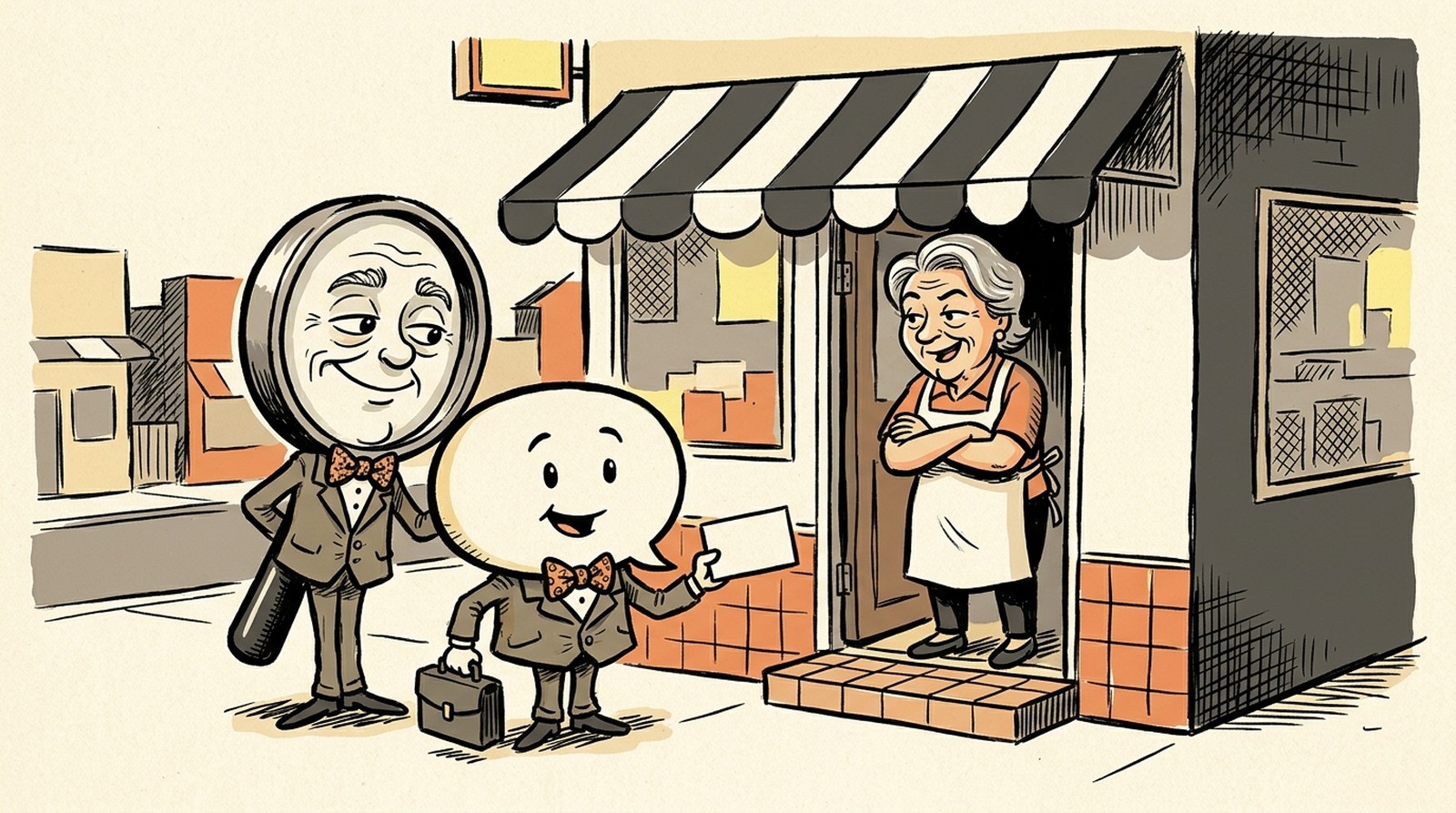
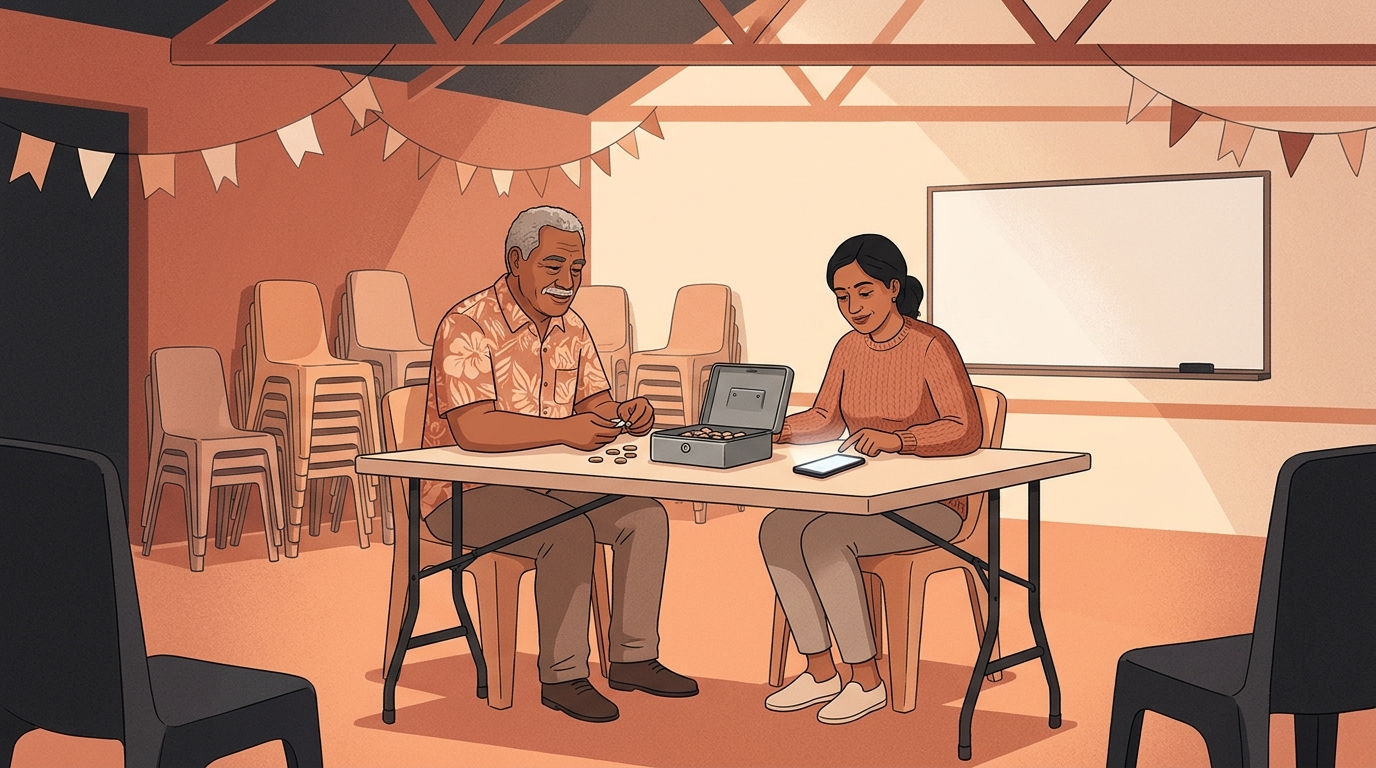
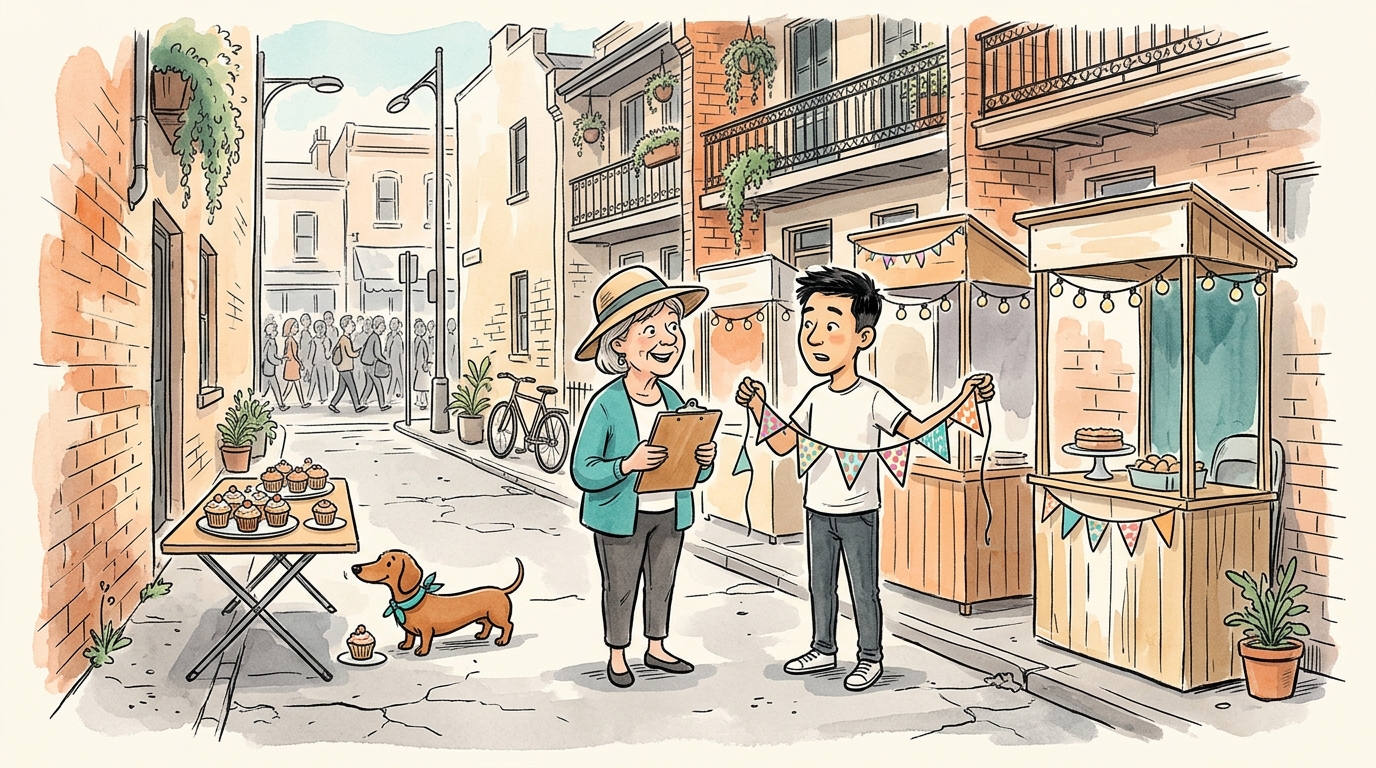
In the animation: A volunteer cranks up a speaker labelled Social media, but nothing is plugged in, so it just hums and the only audience is a magpie. The cord then goes into one event page with one ticket button, fed by council what’s-on and partner venues. When they turn it up this time, people arrive. Get listed first, then post.
How to promote a community event starts with one page and one button
Every poster, post, listing and partner email should send people to one page with one button for tickets or RSVPs. That page does the selling; the channels just deliver people to it.
Stop sending people to a Facebook event with no ticket link, or to a PDF program nobody can read on a phone. Good marketing for not-for-profits follows the same rule: make the next step obvious.
What the page needs before you share it
- Date, start and finish times
- Place, with a map link
- Price, or a clear “free”
- What people get and who it’s for
- Accessibility details
- Transport and parking
- One button: tickets or RSVP
A festival needs one page per event
Heart of Surry Hills was a month-long neighbourhood festival in November 2022. We built its site with 25 venue and event pages and filters for date and venue type (dining, drinks, music, the park), while the festival’s brand was still being developed.
One long page is easy to build and hard to use. You can see how we built the Heart of Surry Hills festival site, or what goes into an event website built to sell tickets.
Google can list your event for free, but each page needs to be about one event
Google’s event documentation says event structured data makes events eligible for “the event experience on Google” in Search and Maps. Structured data is a few lines of code that say “this is an event, on this date, at this place”; a ticketing platform already integrated with Google can do it for you.
Here’s the catch. That experience only supports pages focused on a single event, so you mark up event pages, not schedule pages. Multi-day events need start and end dates, and each performance with its own tickets counts as a separate event. Eligible isn’t guaranteed.
The common mistake is one “Festival program” page that lists 20 events under a single date range and says “Tickets on Facebook” at the bottom.
Instead, give each event its own page, such as “Live music in the park, Saturday afternoon, free, step-free, five minutes from the station” (a made-up example), and mark up each one. The program page links to them all.
No Google Business Profile? Borrow your venues’
A Google Business Profile is the listing that shows a business on Search and Maps. Committees rarely have one, but partner venues do. Google’s help page on posts says an Event post takes a title, dates and times, a description, photos or video and a button, and you can schedule it. Two details trip people up: with no time set, the event shows as running 24 hours, and posts older than six months are archived unless a date range is set. Write the post for your venues so they get it right.
If you’re a registered charity also weighing up Google Ad Grants, that’s covered in SEO for not-for-profits.
Council what’s-on and ATDW are noticeboards people already read
“Nobody reads council websites” is a common line. The numbers disagree. City of Sydney’s What’s On says it gets more than 10 million page views a year and has over 28,000 newsletter subscribers. That’s a country town’s worth of people who asked to hear what’s on. Organisers submit their own listings, and the City calls it “similar to a community noticeboard”. Outside Sydney, check your own council’s what’s-on.
The South Australian Tourism Commission walks through a free ATDW event listing step by step, so you can lodge yours early in the plan.
ATDW, the Australian Tourism Data Warehouse, is the national tourism database. Destination NSW says listing is free for eligible NSW tourism businesses and events, and approved profiles can be published on visitnsw.com (over 10 million visits a year), sydney.com and australia.com. Each profile is reviewed against eligibility, so don’t leave it to the final week. Profiles also expire if they aren’t updated once every 12 months, which matters for annual festivals. In other states, ask your state tourism body where its listings appear.
Local media want a moment, not a press release
Local papers, community radio and council newsletters respond to something they can put in a diary: a launch, a photo call, a local angle. Heart of Surry Hills had a media launch at BRIX Distillers on 26 October 2022, attended by Lord Mayor Clover Moore. A reason to turn up beats a release.
Partners will share your event if you do the work for them
Your partners’ lists are often bigger than yours. The Heart of Surry Hills flyer named nine partners, which made partner promotion worth planning properly rather than asking for favours at the end. Send each one a kit:
- Copy in three lengths: one line, a paragraph and a newsletter blurb
- Images sized for feed and Stories
- Their own tracked link
- A ready-to-paste Google Business Profile event post
- Key dates and one contact person
Rule of thumb: if a partner has to write anything themselves, assume they won’t.
Social media turns up the volume once there’s something to hear
Most advice on how to promote an event starts with hashtags and influencers. I’d put social last in the setup order, then run it hard from four weeks out, once the page, listings and partner kit are ready, aimed squarely at the ticket button.
That’s not a knock on Facebook. We’ve promoted Surry Hills Live, PICNIC and midweek networking nights for the Surry Hills Business Partnership, the local chamber, through Facebook, search and email. The ads ran across Facebook and Instagram feeds, Stories and the right column, and every one pointed to ticket sign-ups. (Disclosure: I sat on the partnership’s board.) Read more about our work with the Surry Hills Business Partnership and Facebook and Instagram ads for ticket sign-ups.
There is an exception. For a school fete or a club open day, the whole audience might already sit in one Facebook group, and social alone may be enough. Fair. Even then, point the post at a page with one button, so you can count who said yes.
Email only works if people asked for it
Under the Spam Act, the ACMA says you need consent, must identify yourself with contact details and must make unsubscribing easy, honouring requests within five working days. You still need consent when someone else sends on your behalf, which matters when partners email their lists. Keep the email run simple: the invite, a reminder with photos, and the logistics. If your event doubles as a fundraiser, the guide on how to fundraise for a charity covers looking after that supporter list.
The eight-week plan: how to promote a community event or local festival
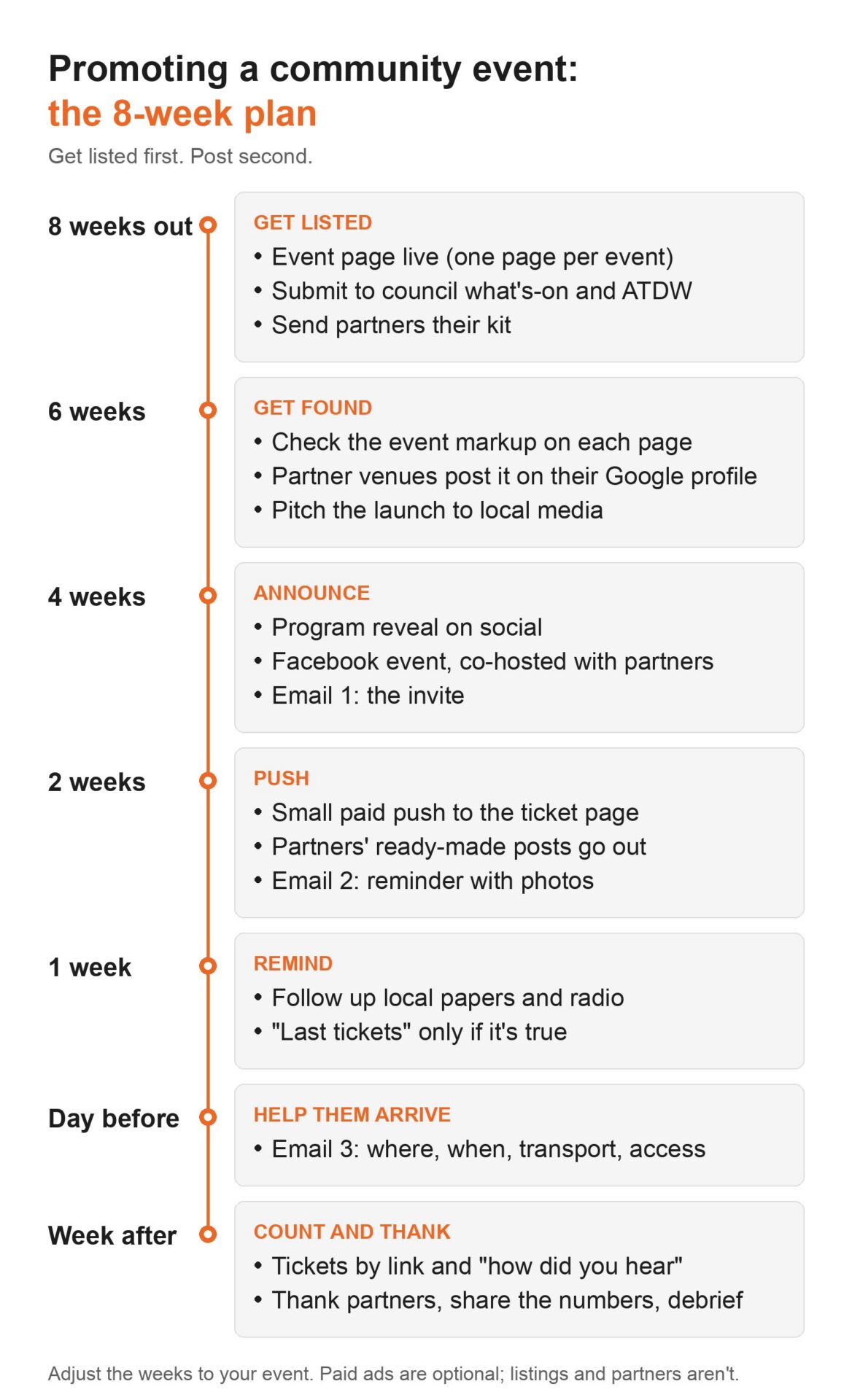
Listings, the page and the partner kit come first. Social and email start at four weeks, and any paid push waits for the final fortnight.
| When | Focus | Jobs |
|---|---|---|
| 8 weeks out | Get listed | Event page live (one page per event); submit to council what’s-on and ATDW; send partners their kit |
| 6 weeks | Get found | Check the event markup on each page; partner venues post it on their Google profile; pitch the launch to local media |
| 4 weeks | Announce | Program reveal on social; Facebook event co-hosted with partners; email 1, the invite |
| 2 weeks | Push | Small paid push to the ticket page; partners’ ready-made posts go out; email 2, a reminder with photos |
| 1 week | Remind | Follow up local papers and radio; “last tickets” only if it’s true |
| Day before | Help them arrive | Email 3: where, when, transport, access |
| Week after | Count and thank | Tickets by link and “how did you hear”; thank partners, share the numbers, debrief |
Count tickets by channel, or your sponsor report is a guess
The event isn’t finished until you can tell sponsors and council which channels brought in the tickets and RSVPs. Two free tools do most of it.
- Tracked links: tags on the end of a link that tell Google Analytics where a visitor came from. Google Analytics Help lists them as utm_source, utm_medium and utm_campaign, and they appear in the Traffic acquisition report. A made-up example: ?utm_source=partner-cafe&utm_medium=newsletter&utm_campaign=spring-fair.
- A “How did you hear about us?” question on the ticket or RSVP form. It catches posters, word of mouth and anything you can’t tag.
It won’t be perfect (people see a poster, then search your name), but a rough breakdown beats “socials went well”.
Start with the calendar, not the camera
Count back eight weeks from your event date. If you’re already past that point, do the first two rows of the plan this week and skip the second poster.
Then answer one question: which partner has the biggest list, and have you sent them anything they can paste in two minutes? If you’d like help with the page or the ads, talk to us about an event website or Facebook ads.
Quick answers
How do you promote a community event for free?
Build one event page with a single ticket or RSVP button and make it eligible for Google’s event results with event structured data. Ask partner venues to add an Event post to their Google Business Profiles. Then list it on your council’s what’s-on and, if it’s an eligible tourism event, on ATDW. Give partners a ready-made kit to share.
How far in advance should you promote an event?
For a community event or local festival, start six to eight weeks out. Listings such as ATDW are reviewed before they appear, partners need time to schedule posts and newsletters, and Google needs time to find your pages. Keep most social posting and any paid ads for the last four weeks, when people are ready to book.
How do you promote a local festival?
Give every event or venue its own page, plus a program page with filters by date and type. List the festival with your council’s what’s-on and ATDW, and plan a launch that gives local media a reason to come. Send each partner a kit with a tracked link, and point every post and ad at a ticket or RSVP page.
What’s the best way to promote an event on social media?
Treat social as the amplifier, not the foundation. Run a sequence rather than one poster on repeat: announce, reveal the program, show behind the scenes, then share logistics. Point every post and ad at your ticket button, give each channel its own tracked link, and co-host the Facebook event with partners so it reaches their followers too.