

AI SEO is mostly good SEO: check your numbers before you pay for it
ChatGPT visitors convert well, but in a 100-site study Google sent about 160 times more visits. What AI SEO really means, what Google says, a do-it-yourself checklist and the five-minute GA4 check before you pay for it.
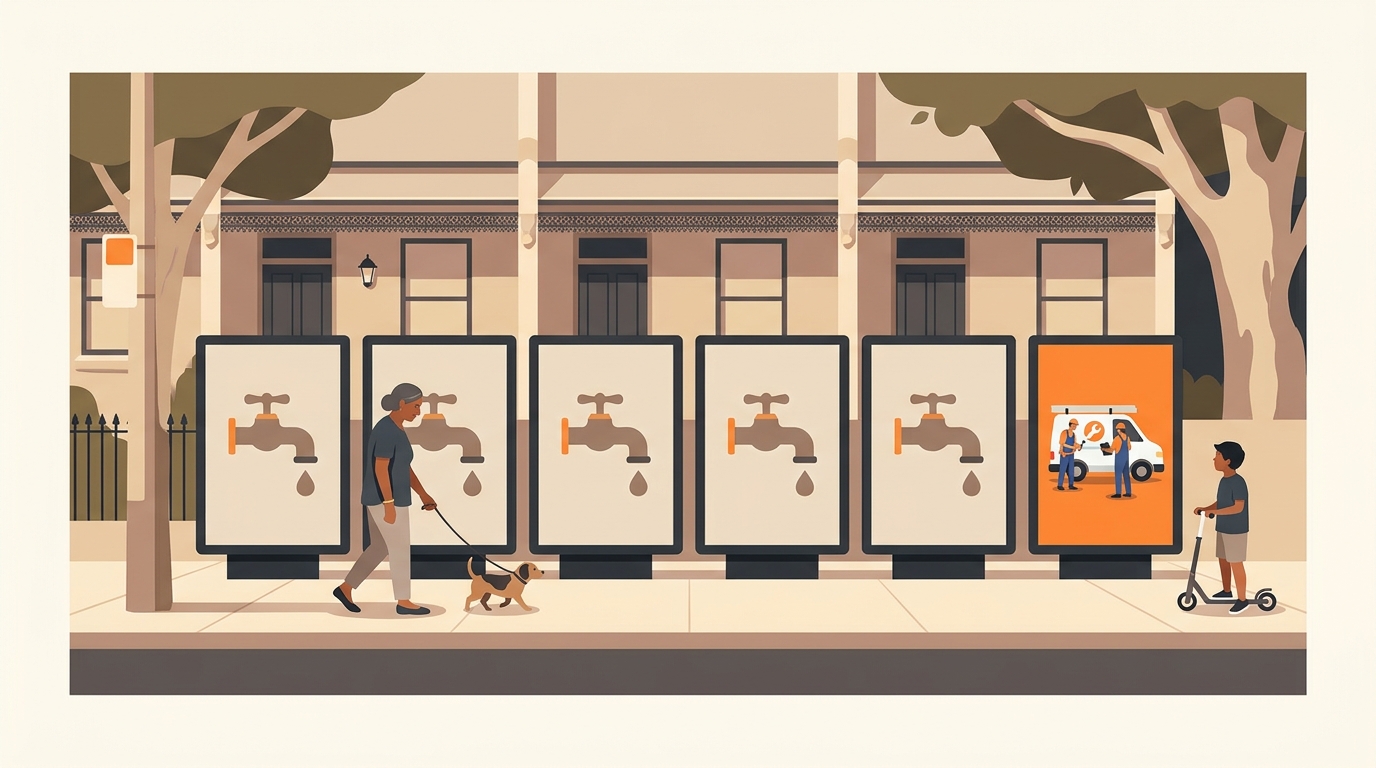
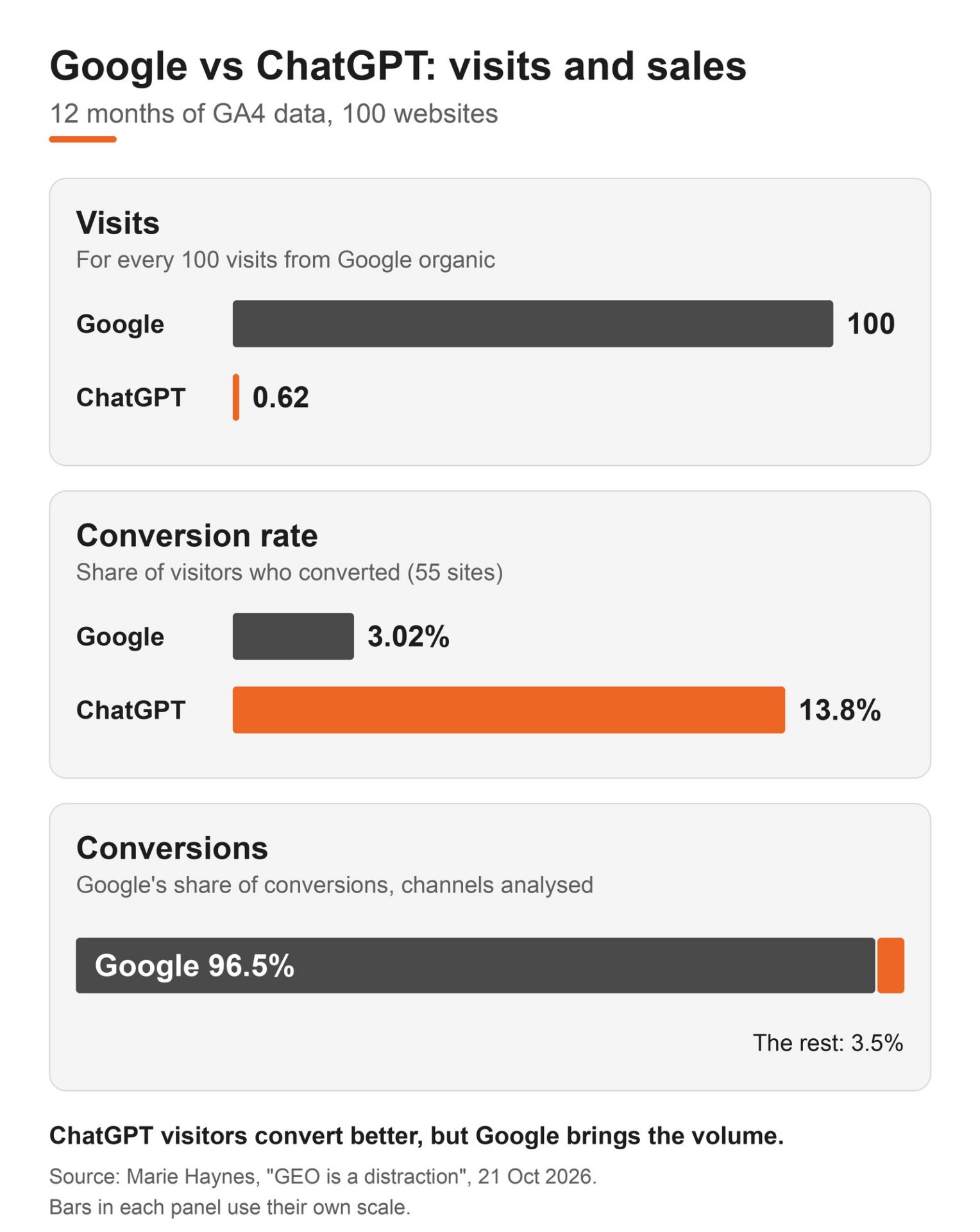
In October 2026, Marie Haynes went through 12 months of Google Analytics data from 100 websites, more than 145 million visits in all. For every 1,000 visits that Google’s organic results sent, ChatGPT sent about six. Not sixty. Six.
If you run a clinic, a trade business or a shop, someone has probably offered to sell you AI SEO so you can “get into ChatGPT” before your customers disappear. I’m not here to talk you out of AI search. It isn’t a fad, and the people who arrive from it buy at a rate that would make any owner grin.
But “GEO” is being sold to small businesses as if it had already overtaken Google, and most of what’s in those packages is plain SEO with a new label. Before you pay anyone for it, check your own numbers. This guide covers what the studies and Google say, a checklist you can do yourself, and the GA4 check.
What is AI SEO? Two jobs under one label
AI SEO means two different things. First, getting your business found and cited in AI answers: ChatGPT search, Google’s AI Overviews and AI Mode, Perplexity, Gemini and Copilot. Second, using AI tools to do SEO work, such as keyword research, drafts and audits. GEO (generative engine optimisation) and AEO (answer engine optimisation) are other names for the first job.
This guide is about the first job. For the second, the main risk is thin AI copy under a made-up byline; I’ve covered what Google does with AI-written content. The acronyms are multiplying faster than the visits.
What the numbers say about AI search traffic
Three studies landed in the same week of October 2026, and they agree. In Marie Haynes’ analysis (100 sites, 12 months of GA4 data), sessions from ChatGPT were 0.62% of the sessions from Google organic. On the 55 sites that tracked conversions, ChatGPT visitors converted at 13.8%, against 3.02% for Google organic. That’s more than four and a half times better.
Here’s the catch. Google still drove 96.5% of the conversions across the channels she analysed. A great rate on a tiny number of visits is still a tiny number of sales.
The UK agency SEO Works looked at 95 websites from September 2025 to August 2026: organic search delivered 39 times more traffic than AI assistants, and for every 100 conversions from organic search, AI referrals delivered 3.2. Kevin Indig checked 12 sites for hidden AI influence (people who read an AI answer, then type your address in) and found it wasn’t detectable yet, per Search Engine Roundtable’s summary of all three.
Put it in owner terms. For example, a Penrith electrician getting 1,000 visits a month from Google would, at Haynes’ averages, get around six from ChatGPT. At Haynes’ ChatGPT conversion rate, that’s less than one conversion a month. These are overseas agency samples, and Haynes calls hers small: a sense of scale, not a forecast. The number that matters is yours, and GA4 shows it in five minutes.
What Google says about AI SEO
Google’s documentation on AI features is unusually blunt: “There are no additional requirements to appear in AI Overviews or AI Mode, nor other special optimizations necessary.” No “new machine readable files, AI text files, or markup”, no special schema. A page just has to be indexed and eligible to show with a snippet, and those visits are counted in Search Console’s normal Performance report (Google Search Central).
Brendon Kraham, Google’s VP of Search and Commerce for Global Ads Solutions, put it more simply in Think with Google in June 2026: “good SEO is good GEO (or AEO, or AI SEO, or whatever)”. Google has an interest in saying that, of course. But when the company that built AI Overviews says there’s no secret file to add, I’ll take its word over anyone selling one.
ChatGPT and Perplexity run their own crawlers and lean on what other sites say about you, but the levers are familiar: can their bots read your pages, do the pages answer the question, do reputable sites mention you? For the basics, start with our small business SEO guide.
Google’s Danny Sullivan and John Mueller talk it through in this Search Off the Record episode; Sullivan’s view, as Search Engine Roundtable reported it, is that AI SEO “should be under SEO, as a subset of SEO”.
The case for caring more than the clicks show
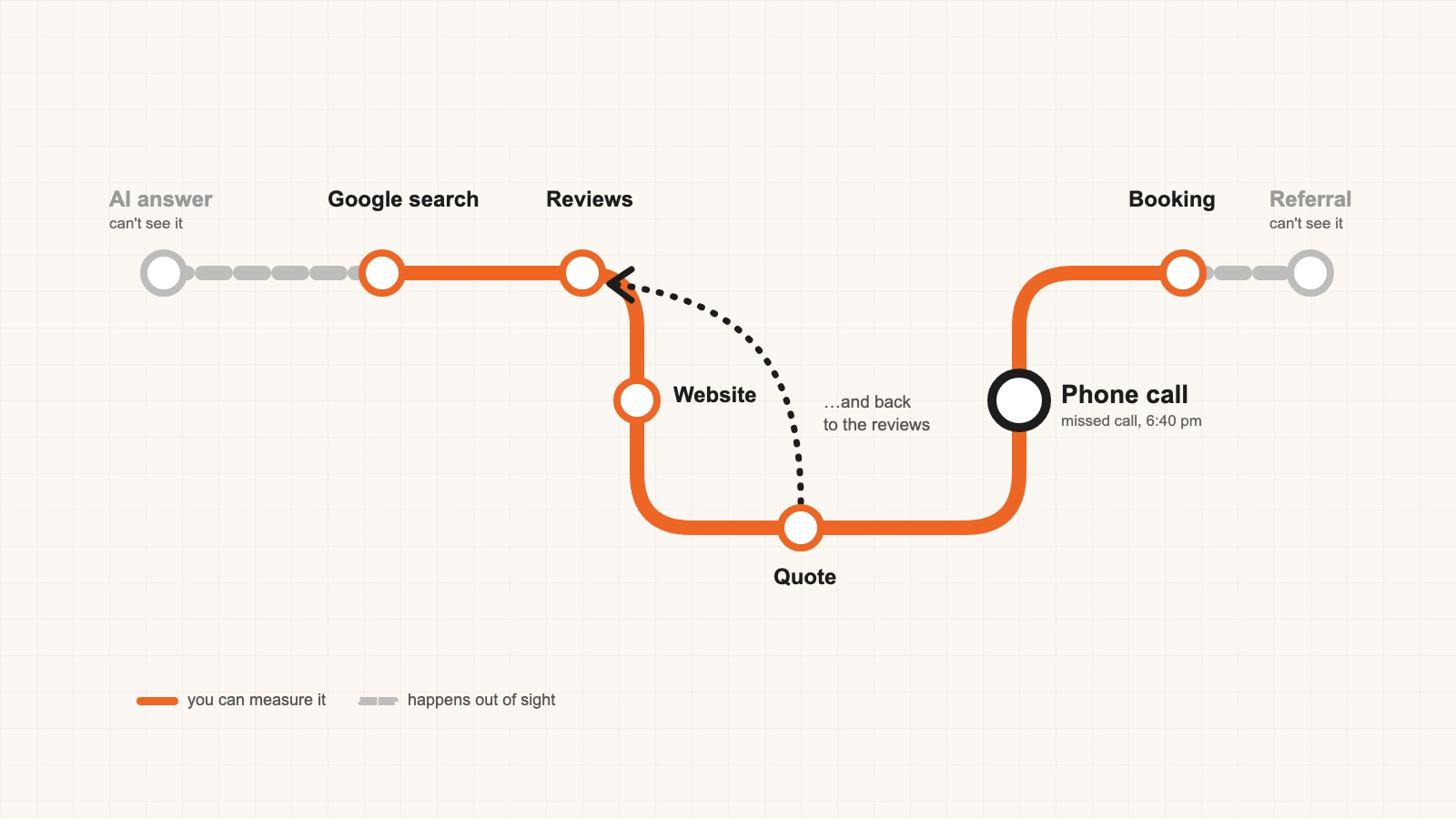
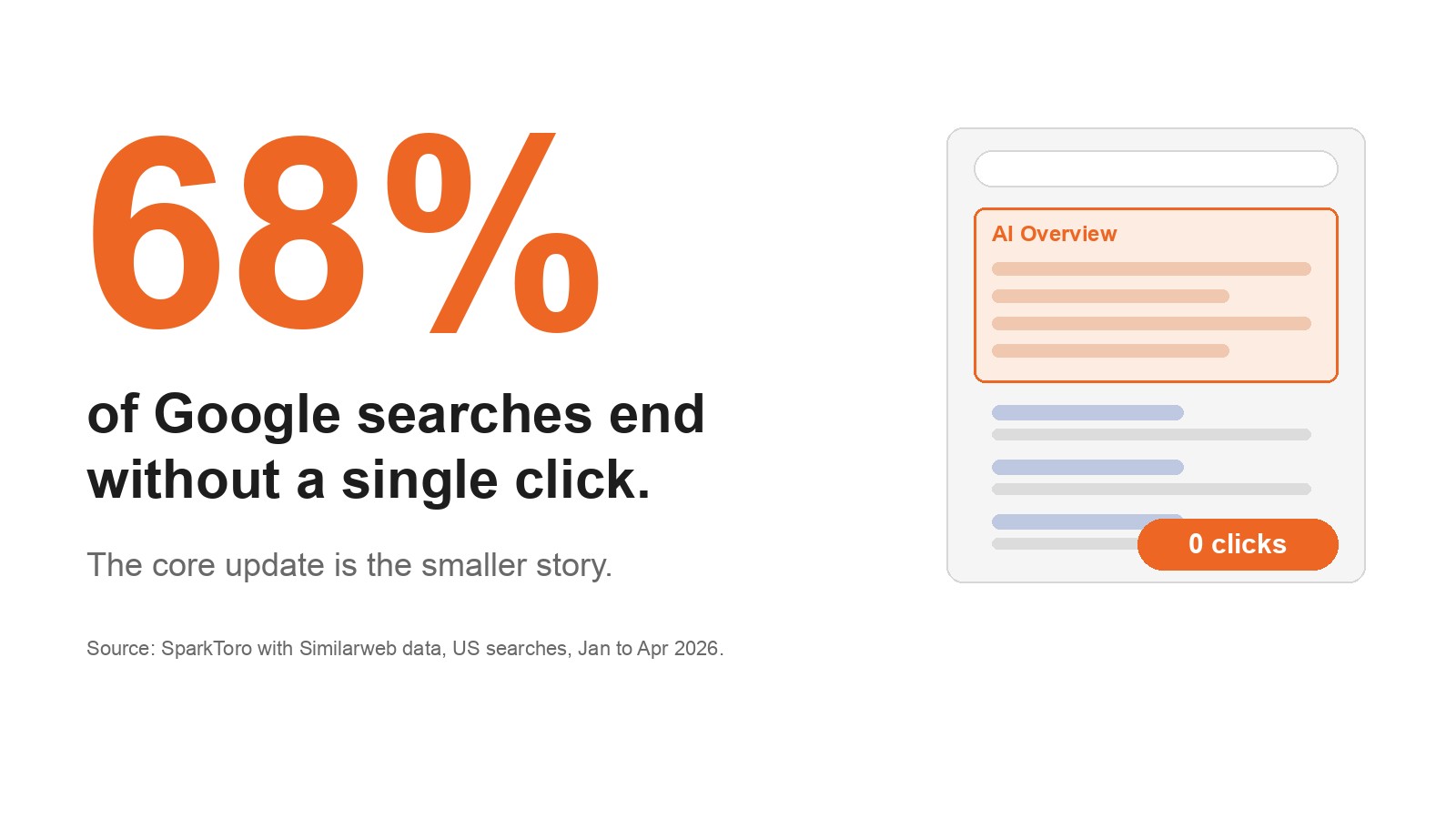
The strongest argument on the other side is fair. Amanda Natividad of SparkToro wrote in June 2026 that 68% of US Google searches now end without a click, and that “Your content’s new job is to be the source the machine trusts.” If a customer reads ChatGPT’s shortlist of physios, then searches your name on Google, GA4 credits Google. The AI did the persuading.
She’s right that influence happens before the click. Where I land differently is what you do about it. Machines trust readable pages, clear answers, consistent details and other reputable sites vouching for you. That’s SEO and reputation work, not a separate GEO budget. And Indig’s finding is a brake: nobody can measure the hidden effect yet, so be wary of anyone charging for it as if they could.
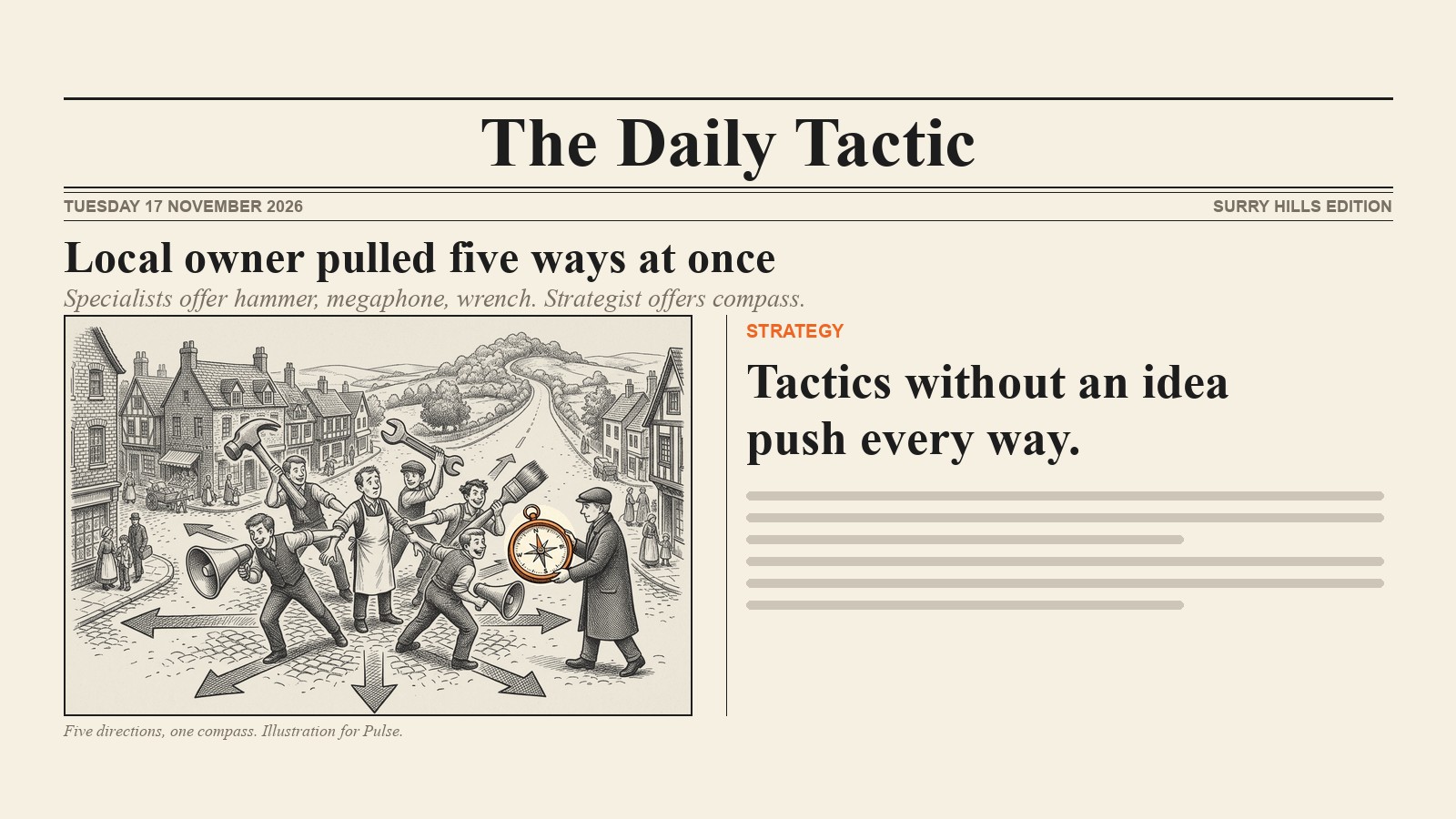
What the animation shows: a business owner admires the shiny “GEO” tap he’s just paid for, labelled ChatGPT, as it drips into his bucket of leads one drop at a time. Behind him, the big Google pipe has a crack and is pouring water onto the floor until the puddle reaches his shoes. He patches the pipe with “SEO basics”, and the bucket fills in seconds. Fix the big pipe first, then fit the tap.
An AI SEO checklist you can do yourself
Most of this takes an afternoon. The mentions part is slower, steady work.
Check you’re not blocking AI search crawlers
Open yourdomain.com.au/robots.txt and look for these names:
- OAI-SearchBot puts websites in ChatGPT’s search results. ChatGPT-User fetches a page when someone asks ChatGPT to. GPTBot collects content that may be used to train OpenAI’s models. OpenAI says each setting is independent.
- PerplexityBot surfaces and links sites in Perplexity’s answers (Perplexity-User fetches pages on a user’s request), and Perplexity says neither is used for training.
- Google-Extended controls whether Google can use your content to train future Gemini models and ground answers in the Gemini app and Vertex AI. Google says it doesn’t affect inclusion or ranking in Google Search, and AI Overviews are part of Search. Blocking it won’t take you out of AI Overviews.
Don’t block OAI-SearchBot because you don’t want to train AI. Do block GPTBot if training is what worries you. Then check your CDN or security settings: Cloudflare has defaulted new domains to blocking AI crawlers since July 2025.
Ask the AI your customers’ questions
Take five to ten questions straight from your inbox and phone calls, and ask them in ChatGPT, Perplexity and Google’s AI Mode. For example, a physio in Parramatta might ask “who treats running injuries near Parramatta on a Saturday?” Note who gets named and which sources are cited (a directory, a council page, a Reddit thread, a competitor’s FAQ). That’s your to-do list.
Write answer-first pages and FAQs
Make the first sentence under each heading answer the question. Put quotable facts in plain words: what you do, where, for whom, hours and service area. Write FAQ answers that stand alone. Same writing that helps a person skimming on a phone.
Get mentioned on reputable Australian sites
Industry associations, your chamber of commerce, suppliers’ stockist pages, local press, councils, TAFEs and universities: the sources AI answers lean on, and the same links and mentions worth having for Google. For a Surry Hills framer, Acme Framing, we cleaned up its directory listings and built citations and links alongside technical fixes; four months in it ranked first on Google for nine framing searches (the Acme Framing case study has the detail). Nobody called that AI SEO in 2017.
Keep your Google Business Profile right
Name, category, hours, service area, photos and review replies. Google’s local results use it, and a wrong phone number repeated by an AI answer costs you as much as one on a flyer.
How to see AI traffic in GA4
The five-minute check that decides everything else:
- In GA4, go to Reports > Acquisition > Traffic acquisition (Google’s help page).
- Set the date range to the last 12 months.
- Leave the table on the default channel grouping. GA4 now has an AI Assistant channel for visits from “sources like ChatGPT, Gemini, Deepseek, Copilot, or Grok” (Google’s channel definitions).
- Compare AI Assistant with Organic Search on sessions and on key events (your enquiry forms and call clicks), not just visits.
- For detail, switch the dimension to Session source / medium and search for chatgpt.com or perplexity.
Two catches. Visits from Google’s AI Overviews and AI Mode count as Organic Search, not AI Assistant. And taps from the ChatGPT app sometimes arrive without a referrer and land in Direct. If AI Assistant is a rounding error next to Organic Search, you know where the next dollar goes.
Should you pay for AI SEO services?
Sometimes: when GA4 shows real enquiries from AI assistants, when you sell considered, high-value services where buyers ask ChatGPT for a shortlist, and when the basics above are done.
Be wary of an ai seo agency that:
- guarantees placement in ChatGPT or AI Overviews (nobody controls that);
- sells an “AI file”, llms.txt or special markup as the fix, when Google says none is needed;
- wants a separate GEO retainer on top of your SEO for the same work;
- reports an “AI visibility score” that never connects to enquiries.
Ask: what will you change and why, how will we see it in GA4, and what happens to my Google traffic meanwhile? That’s how we run our AI SEO services. And on whether customers will soon buy everything through a chatbot, see whether we’ll all end up buying through ChatGPT.
FAQ
What is AI SEO?
AI SEO is the work of getting your business found and cited in AI answers, such as ChatGPT search, Google’s AI Overviews and AI Mode, and Perplexity. The term is also used for doing SEO with AI tools. For the first meaning, Google says no special optimisation is needed beyond being indexed, helpful and eligible for a snippet.
Is AI taking over SEO jobs?
AI is taking over parts of the work, such as first drafts, keyword grouping and audit checklists. It isn’t replacing the judgement: deciding what a business should be known for, fixing what stops Google reading a site, and earning mentions from real organisations. Studies in 2026 still show Google organic sending most of the traffic and sales.
Is SEO paid or free?
SEO is free in the sense that you don’t pay Google for organic rankings or for appearing in AI Overviews. It costs time, or money if you hire help, to fix your site, write useful pages and earn mentions. Paid search ads are a separate product, and buying them doesn’t improve your organic rankings.
Does blocking Google-Extended remove my site from AI Overviews?
No. Google-Extended only controls whether Google can use your content to train Gemini models and ground answers in Gemini products. Google says it doesn’t affect inclusion or ranking in Google Search, and AI Overviews are part of Search. To limit what appears in AI Overviews, Google points to snippet controls such as nosnippet, or to noindex.
Do I need an AI SEO agency?
Most small businesses don’t need a separate AI SEO agency. Check GA4 first: if the AI Assistant channel brings few enquiries compared with Organic Search, put your effort into the SEO basics, which also drive AI citations. Paid help makes sense once AI visits bring real enquiries or the basics are beyond your time.
Your decision for this week: open GA4, put AI Assistant next to Organic Search for the last 12 months, and ask ChatGPT three questions your customers ask you. If the pipe is leaking, fix that first. If the numbers say AI is already sending you enquiries and you want help with both, talk to our SEO team.