

How to fundraise for a charity: the ask matters more than the idea
A practical guide for Australian charity teams: pick one ask with a deadline, build a donation page that works on a phone, ask in order of warmth and plan the second gift, with the 2026 state fundraising rules and DGR receipts covered.
Search “how to fundraise for a charity” and you’ll get lists of 21, 27 or 35 ideas, mostly written for whoever’s rostered onto the cupcakes. This one is for the team that has to make the money turn up: one online campaign you can run this quarter and repeat next year.
The idea itself (trivia night, fun run, sausage sizzle) is the least important decision you’ll make. What raises the money is one clear ask with a deadline, a donation page that works on a phone, and a plan for the second gift. I’ll take one well-built, slightly boring appeal over three clever events that each start from zero.
That’s how we approach marketing for not-for-profits at Pulse, and it comes down to who does the work. The ACNC’s 12th Australian Charities Report (2024 reporting period) found 53% of Australian charities have no paid staff. Small and extra-small charities make up 60% of all charities but received less than 9% of donations and bequests. If your team runs on people with day jobs, you’re the majority, and you need a system you can repeat, not more ideas.
Your ACNC registration doesn’t cover your fundraising, so check the rules first
This is the serious bit, and it’s general information, not legal or tax advice. The ACNC says plainly that it doesn’t regulate fundraising: states and territories do, and you have to follow the rules where you raise money, not just where you’re based. An online appeal can cross every border on day one, especially once you promote it nationally. Think of it like the patrol flags at the beach: every beach puts them somewhere slightly different, and it’s on you to check before you swim.
NSW changed on 1 April 2026
From 1 April 2026, ACNC-registered charities have a deemed authority to fundraise in NSW, and receipts now only have to be issued for gifts of $2 or more. To get that authority, tick “Our charity fundraises online or in NSW” in your Annual Information Statement, the yearly report you lodge with the ACNC. Online fundraisers should tick it too.
The 16 National Fundraising Principles are now enforceable in NSW. They include being identifiable, keeping records, no deception or undue pressure, protecting vulnerable people, and respecting refusals and opt-outs.
Everywhere else, check rather than assume
- Victoria: a registered charity notifies Consumer Affairs Victoria.
- Queensland: notify the Office of Fair Trading, with no separate registration.
- South Australia: an automatic licence through your ACNC registration or annual statement.
- ACT and NT: registered charities don’t need an ACT licence, and the NT has no charitable fundraising law.
- Western Australia: a licence is still required to seek donations from the public.
Raffles are separate again: most states regulate them through a gaming regulator, often with a permit (each state page on the ACNC Fundraising Hub names the regulator). And two promises to avoid: “100% goes to the cause” when admin costs come out of donations, and statistics you can’t back up. The ACNC flags both.
How to fundraise for a charity starts with one ask, not one event
Picture a literacy charity asking for 40 reading packs by 30 June. Example: if a pack costs $25, the target is $1,000, and everyone can see the finish line.
A specific amount tells people what their gift does. A deadline gives them a reason to act today rather than “later”, which in donor language means never.
The end of financial year is the natural Australian deadline. If you’re a DGR (a deductible gift recipient, the status that makes gifts tax deductible), your donors have tax on their minds in June. Retailers don’t invent a new sale every June; they run the same EOFY sale and get better at it. So can you.
The fair counterpoint: events build community and reach people who’d never give online. Keep them, then, but bolt them onto the ask. A trivia night is a channel, not a strategy. One wrinkle: the ATO says a ticket to a charity dinner isn’t a deductible gift, because the guest gets something back.
- Don’t: “Help us raise funds for our important work!”
- Do: “Forty reading packs for kids starting school in [suburb] by 30 June. We’re at 12.”
The story does the asking, so keep it true and keep people’s dignity
One real person or one real outcome, told with consent and respect, beats a sad stock photo. It’s also what the principles demand: no undue pressure, and protection for vulnerable people. Get consent, change names where needed, show people doing things rather than just struggling, and source every number.
Don’t: “Without you, these children will never learn to read,” over a close-up of a crying child.
Do (invented example): “A dad at our Saturday reading club picked his daughter’s book bag last term. She’s read every book in it twice. Shared with the family’s permission.”
The donation page is where most appeals quietly lose money
Think about where you read your own email: on a phone. If the page is slow, long or confusing on a small screen, the ask was wasted.
Here’s the catch. Your warmest supporters often click early, so a broken page is the mistake that’s hardest to recover from after launch day. Test it on two phones first. If someone taps your link on the bus, can they give before their stop?
- As few form fields as possible, and one button
- The outcome restated at the top
- Suggested amounts tied to that outcome (example: $25 buys one reading pack)
- A monthly option
Then sort out receipts. A DGR receipt shows your organisation’s name, its ABN and that the payment was a gift. Only promise tax deductibility if you’re a DGR and the donor gets nothing back; check your status on ABN Lookup. If you use a fundraising platform, know its fees and make sure the funds land with you, as the ACNC’s crowdfunding guide advises.
Ask the people who already trust you first, and leave the ads till last
Most small teams jump straight to Facebook posts and boosted ads. The money sits closer to home. Start with past donors and volunteers, then their friends, then people like your supporters, then strangers who are searching. The warmer the contact, the less persuading it takes, and that’s the cheapest donor acquisition you’ll ever do.
Volunteers are wildly underrated here. The ACNC counts 3.9 million of them across registered charities, and many can explain your work better than any ad. In week one, email and call past donors and volunteers. In week two, hand your keenest supporters a peer-to-peer page.
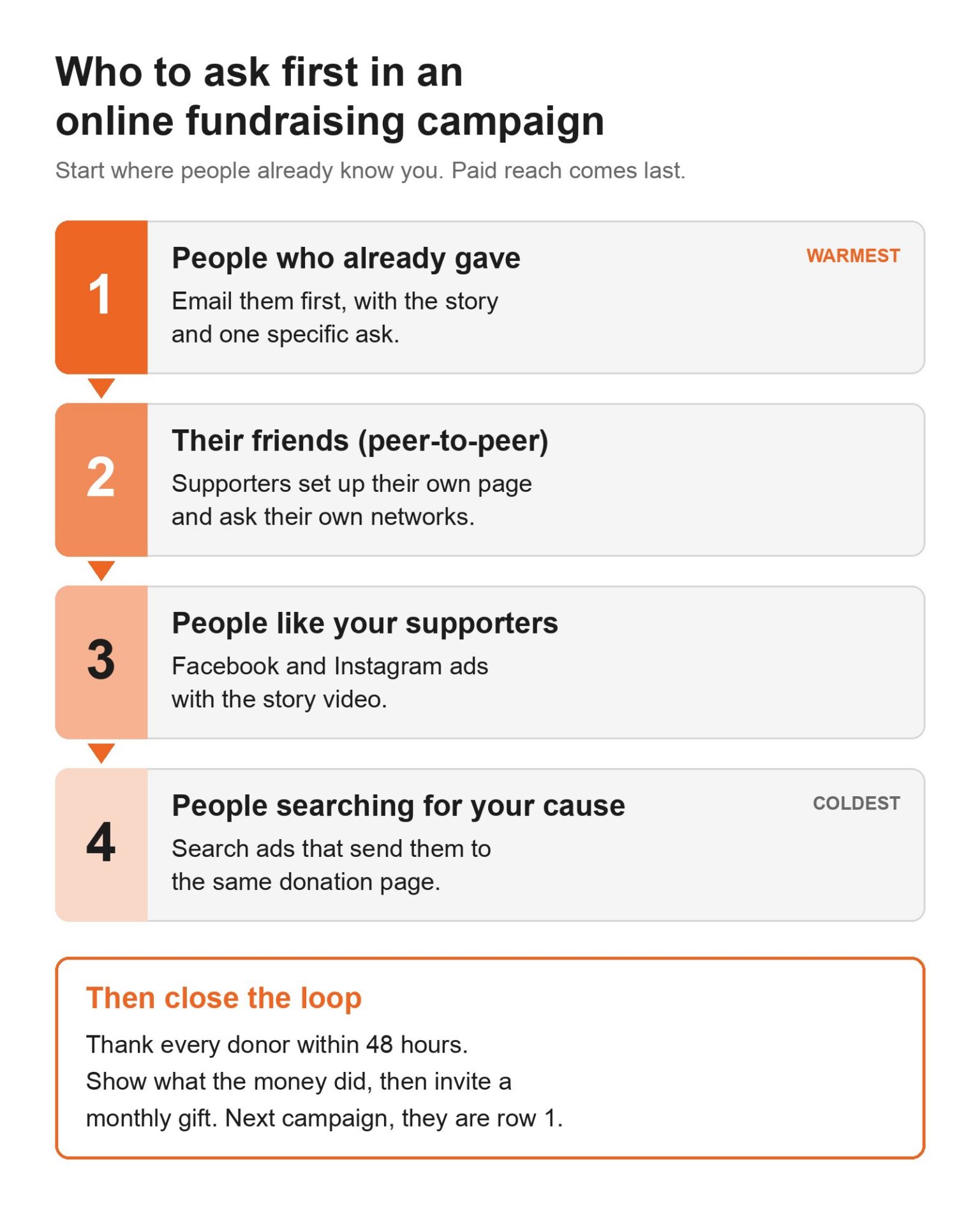
Paid social earns its place in the final push. Facebook and Instagram ads usually work hardest with a short story video, aimed at people who’ve visited your page or engaged with you, plus audiences that look like your supporters.
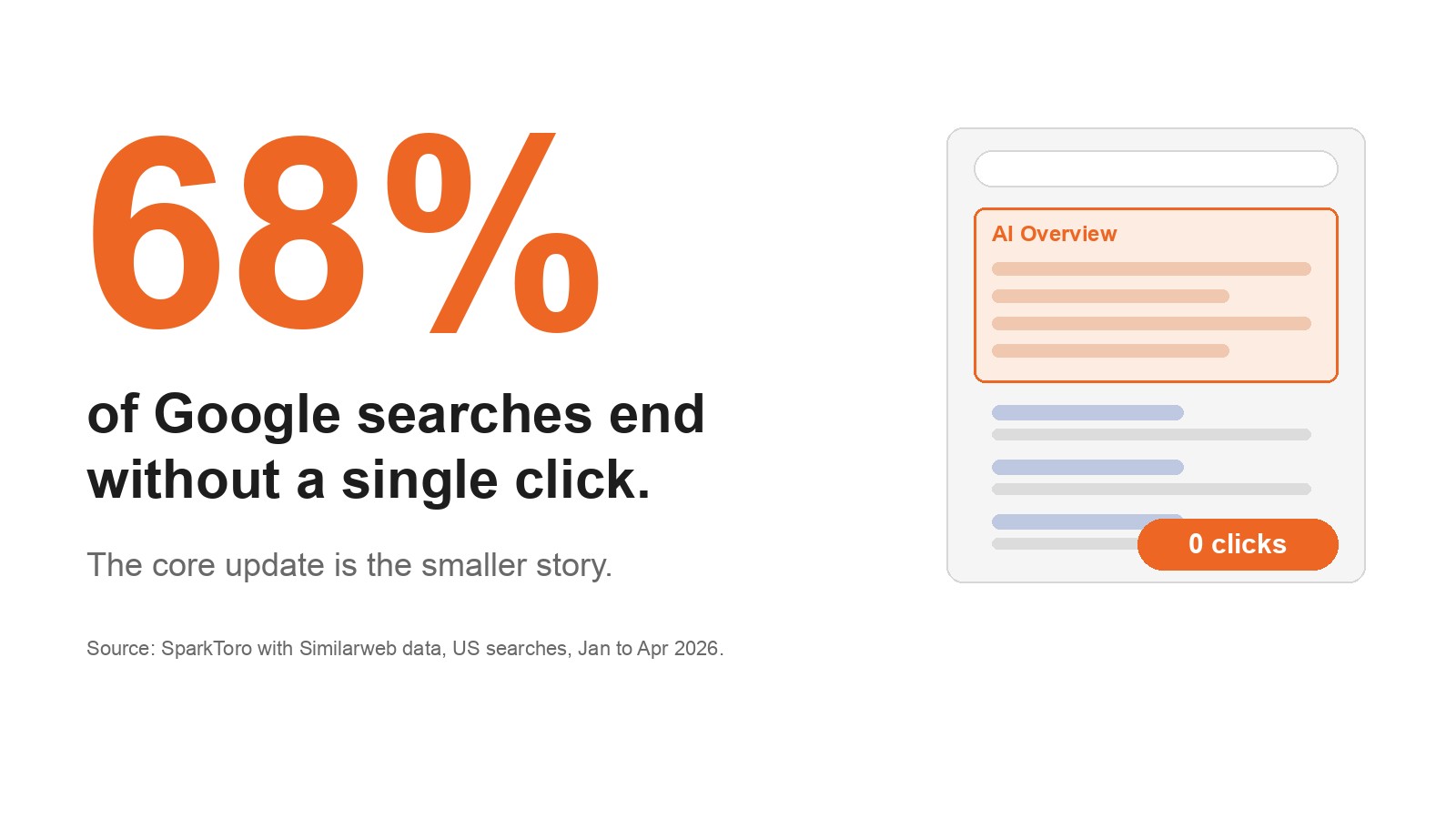
Search sits on the last rung. If you’re eligible for free search advertising, our guide to Google Ad Grants and SEO for not-for-profits covers it.
Peer-to-peer fundraising: let your supporters do the asking
A supporter asking ten friends is warmer than any ad. Set their pages up under your organisation’s own platform account, so the money comes to you and receipts are right; crowdfunded gifts are deductible only if they go to a DGR. Give fundraisers the ask, the deadline and a ready-to-send message, because a blank page helps nobody.
What most advice on how to fundraise for a charity skips: the second gift
The first gift costs you the most work. The second should cost less, because the donor already knows you: what they need is a thank-you and a straight answer about what the money did. That’s logic, not a study.
- The receipt goes out instantly.
- A personal thank-you follows within 48 hours.
- An impact update (“all 40 packs delivered”) lands before any new ask.
- Then invite a monthly gift, or ask again for a new, specific outcome.
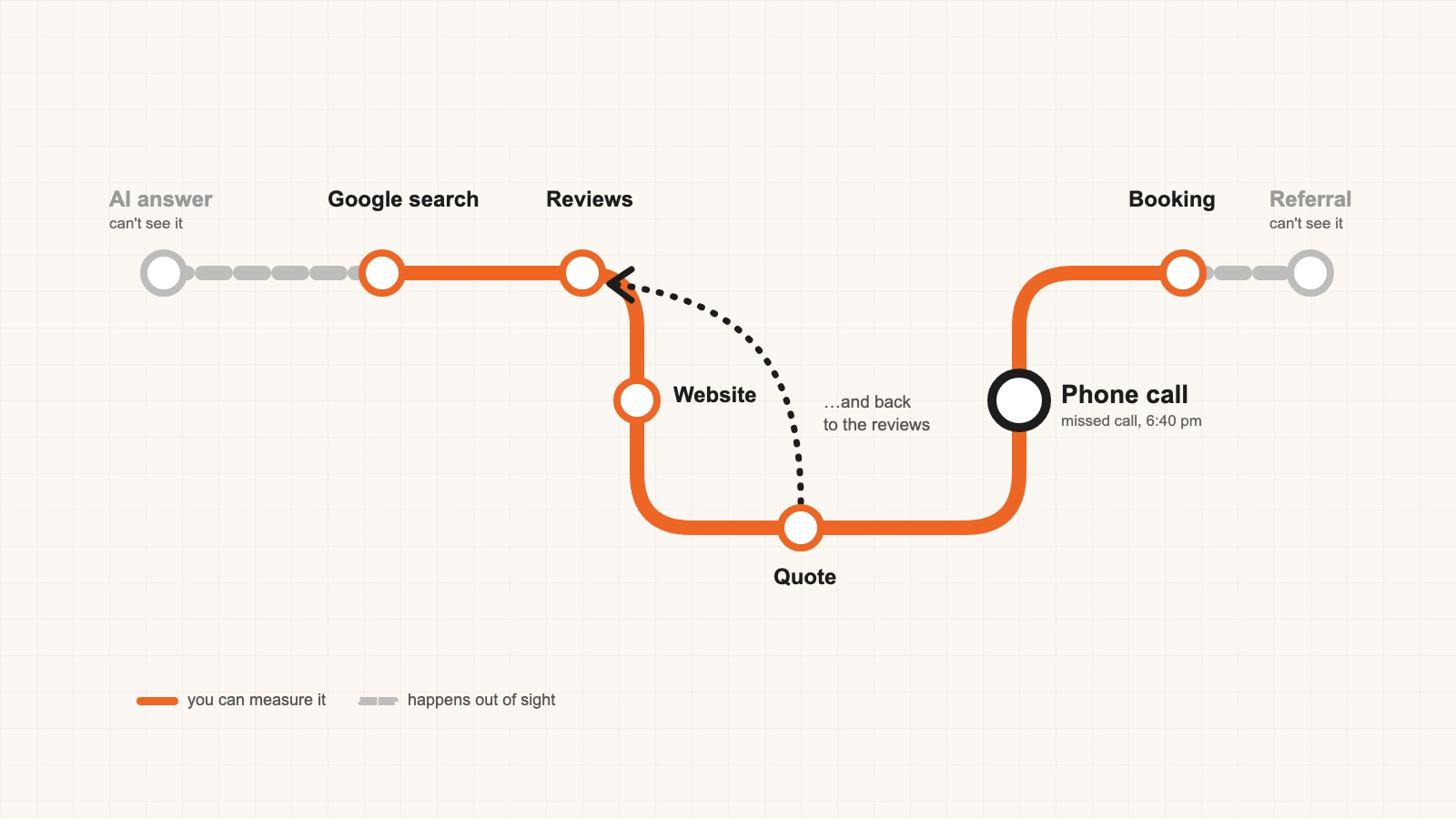
When did your last appeal end, and did anyone who gave hear from you before the next ask? It helps to map the journey from first gift to second, step by step.
ACMA lists registered charities among the organisations exempt from the consent rule for marketing messages, as long as they include contact details. Don’t read that as permission to blast people. The national principles still say respect opt-outs, so put a one-click unsubscribe in every email and honour it.
Write down three numbers, or next year starts from scratch
Small teams don’t need a dashboard. They need three numbers, written down the week the campaign ends:
- Total raised against target.
- Gifts by channel. UTM tags, small labels added to your links, show which email or post sent each donor.
- How many first-time givers gave again within 90 days (my rule of thumb, not an industry benchmark).
Outside help earns its keep on ads and tracking, not on your story
Your team should own the ask and the story. An agency earns its keep on the technical work that’s hard on volunteer hours: ads, tracking and page testing.
Two examples from our work, neither a donation appeal. For Lost in Books and the Think+DO Tank Foundation, we run Google Ad Grants with separate campaigns for book buyers and program seekers, then track beyond the click to purchases and newsletter sign-ups. In the Ingham Institute’s clinical trial awareness campaign (2018), each language group had its own thank-you page. Same principle for an appeal: know which ask brought which gift.
If you want a hand with the ads and tracking side of your next appeal, talk to us. One outcome, one amount, one date. So what’s the one thing your organisation could ask for by 30 June, and who are the first ten people who’ll hear about it?
Frequently asked questions
How do you fundraise for a charity in Australia?
Pick one ask with a specific outcome, an amount and a deadline. Check the fundraising rules in each state where your donors live, because the ACNC doesn’t regulate fundraising. Build a donation page that works on a phone and sends receipts automatically. Ask past donors and volunteers first, then thank everyone and plan the second gift.
Do charities need a fundraising licence in Australia?
It depends on the state, because states and territories regulate fundraising, not the ACNC. Registered charities get a deemed authority in NSW after ticking the right box in their Annual Information Statement. Victoria and Queensland require notification, South Australia grants a licence automatically, and Western Australia still requires one. Raffles usually need separate permits.
Are donations to a charity tax deductible?
Only if the organisation is a deductible gift recipient (DGR) and the donor receives nothing in return. The ATO says raffle tickets and charity dinners don’t count, and crowdfunded gifts are deductible only when they go to a DGR. You can check an organisation’s status on ABN Lookup. This is general information, not tax advice.
What is peer-to-peer fundraising?
It’s when supporters raise money from their own friends, family and colleagues for a cause, usually through a personal page. It works because the ask comes from someone the giver already trusts. Set pages up under the organisation’s own platform account, so funds go to the right place and receipts are correct.
How can a charity raise money quickly?
Go to the people who already trust you. Email and call past donors and volunteers with one specific ask and a close deadline, and give keen supporters a ready-to-send message for their own networks. Make sure the donation page works on a phone. Ads can help in the final days, but warm contacts move fastest.