Ad fatigue on Meta is a sameness problem, and more ads won’t fix it
Ad fatigue on Meta in 2026 is mostly a sameness problem, not a frequency one. How to read Creative limited and Creative fatigue in Ads Manager, why near-identical ads get grouped, and how a small business fixes it with fewer, genuinely different ads.
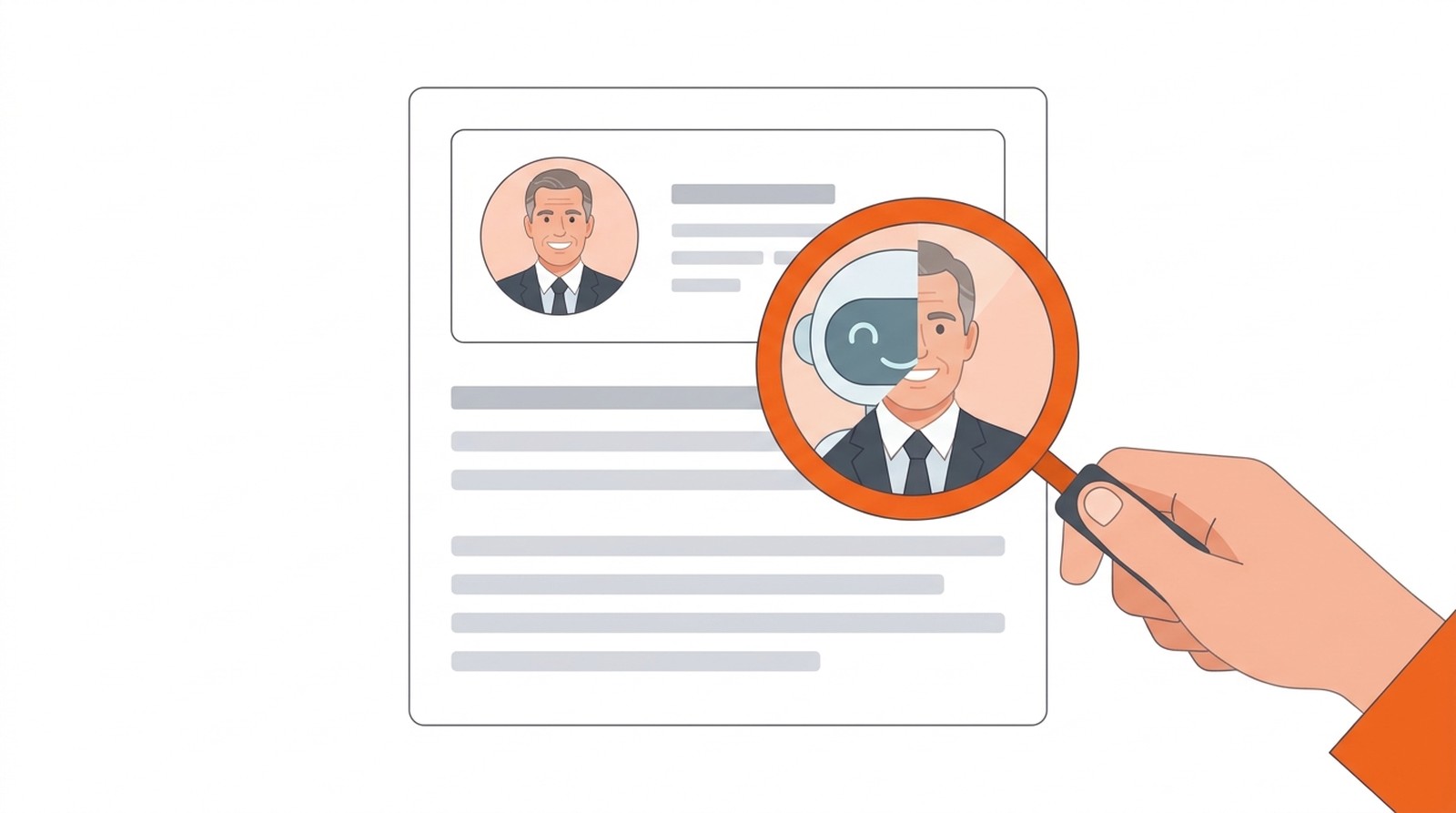
Most advice on ad fatigue says “refresh your creative”, and it turns small businesses into tiny ad factories. New headline, new background colour, a different button, and out it goes as a fresh ad. Meta’s systems may well see one ad in a slightly different shirt.
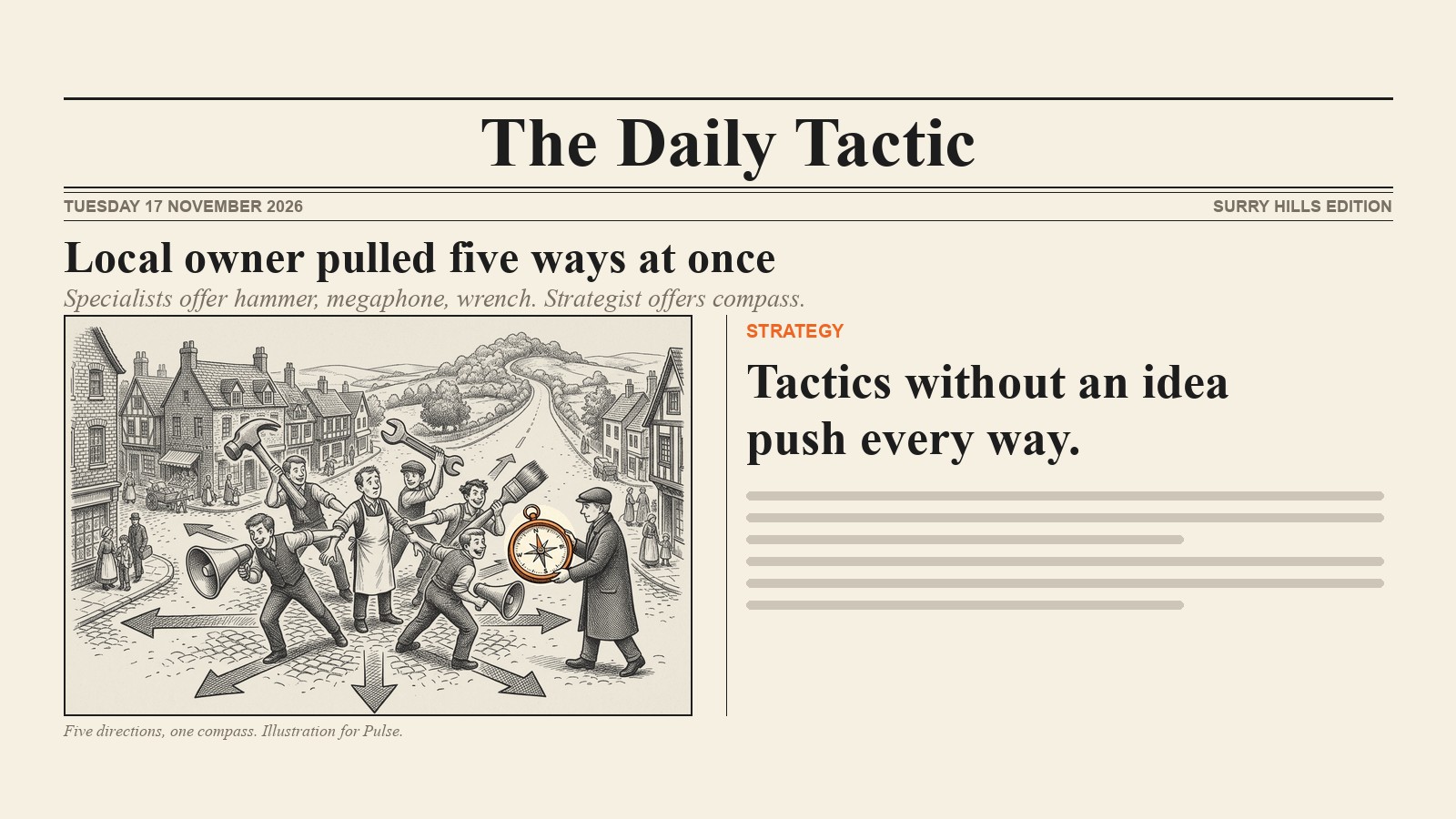
I’d stop making those variations tomorrow. Facebook ad fatigue in 2026 is mostly a sameness problem, not a frequency problem. Meta does want variety, but what fixes it for a small business is a few genuinely different ideas, in fewer ads, judged on the enquiries they bring in.
Ad fatigue is what happens when the same people see the same ad, or ads that look almost identical, so often that they stop noticing. Fewer people click, call or buy, and your cost per result climbs. Meta calls it creative fatigue.
Ad fatigue is people tuning out a picture, wherever they saw it
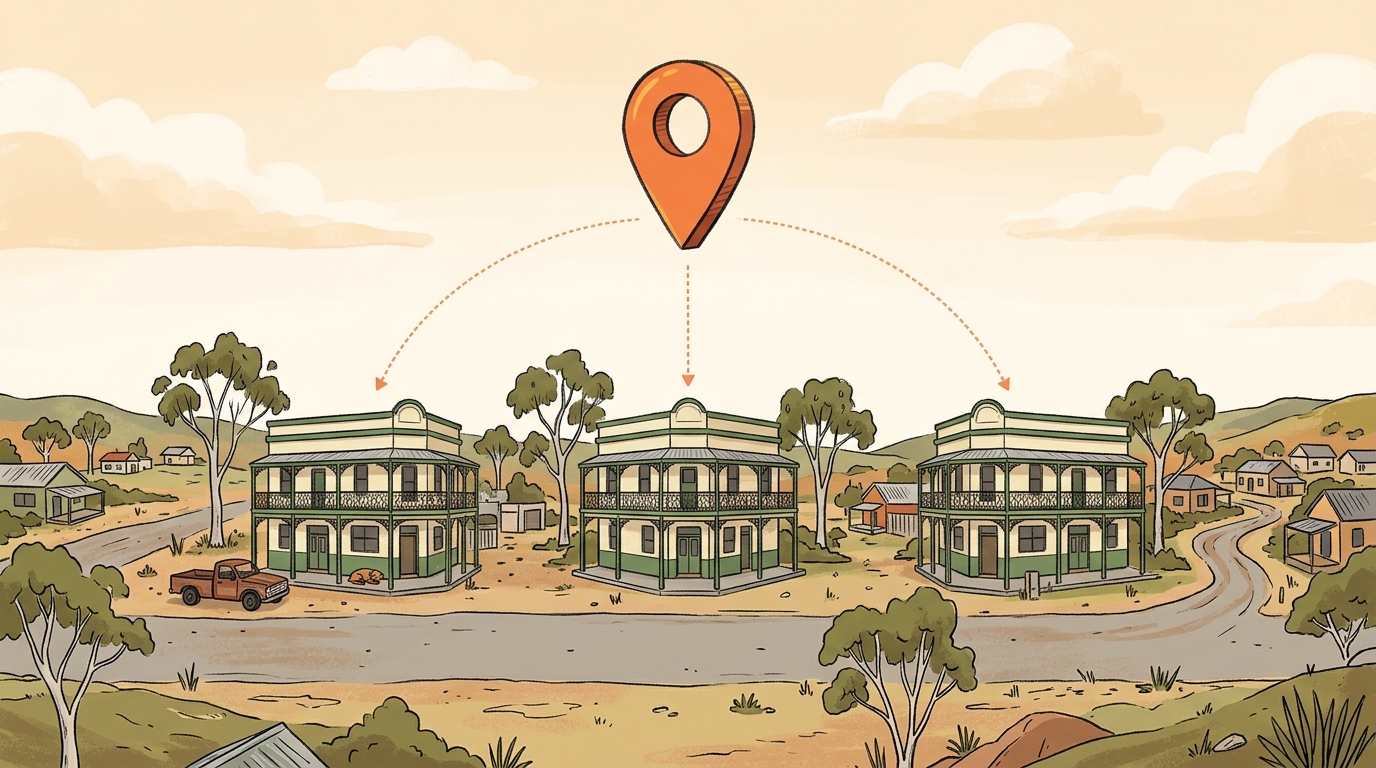
Meta’s own help page on it (Meta Business Help Centre) has a detail most people miss. Meta counts all recent exposures of the ad’s image or video, including other campaigns from your Page. So the popular “fix” of copying a winning ad into a brand new campaign resets nothing. Same picture, same eyes. If your Facebook ads management rescues tired ads by duplicating them, it’s time for a polite conversation.
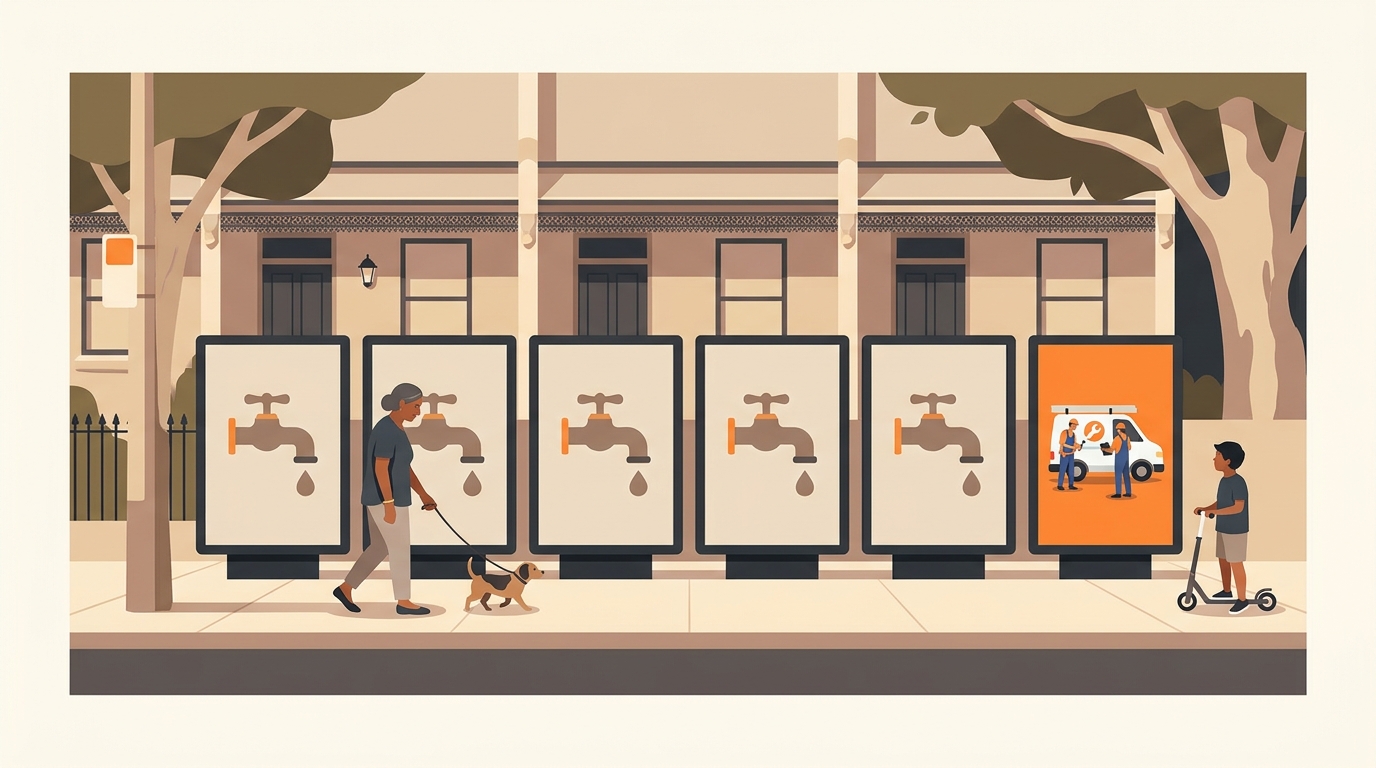
In the animation, one person scrolls past the same plumber’s tap ad three times and tunes out. The business copies it into a new campaign, where it even puts on fake glasses and a moustache. The disguise falls off. Same tap.
A climbing frequency doesn’t prove Facebook ad fatigue
Meta may already be telling you. For ad sets with one creative, the Delivery column in Ads Manager shows Creative limited when an ad’s cost per result is above your past ads but under double, and Creative fatigue at double or more. Once you consolidate, as I suggest below, those labels stop applying and your own check matters more.
That check usually starts with frequency, the average number of times each account saw your ad. Meta says it “may average 1 to 2 per ad set or may be much higher, depending on your budget, audience size and schedule” (Meta Business Help Centre).
No magic number. The “keep it under 3” rules doing the rounds in agency land don’t come from Meta. Its guidance is that if performance drops as frequency rises, fatigue may be the cause. Both halves matter, so rule out the dull stuff first.
Is it fatigue? Check in this order
- Tracking: submit your own form and confirm your tracking still fires.
- Your own edits: a creative change or new ad in the past week sends the ad set back into the learning phase.
- The calendar and the market: EOFY, school holidays, a new competitor, or an offer that’s become wallpaper.
- Frequency and results together, over enough days to include real enquiries. Frequency up and results down points to fatigue. Frequency up on its own doesn’t.
Meta groups near-identical ads, and so do people
Something did change. Andromeda, Meta’s ad retrieval system, narrows tens of millions of candidate ads down to a few thousand for each person (Engineering at Meta, Dec 2024). Meta has since said the focus has “shifted from niche targeting to creative diversification as the best lever” (Meta for Business, Apr 2025).
Advertisers heard “make more ads”. Meta’s December 2025 post separates iteration, slight variations of the same asset, from diversification, distinct assets made for different personas or use cases.
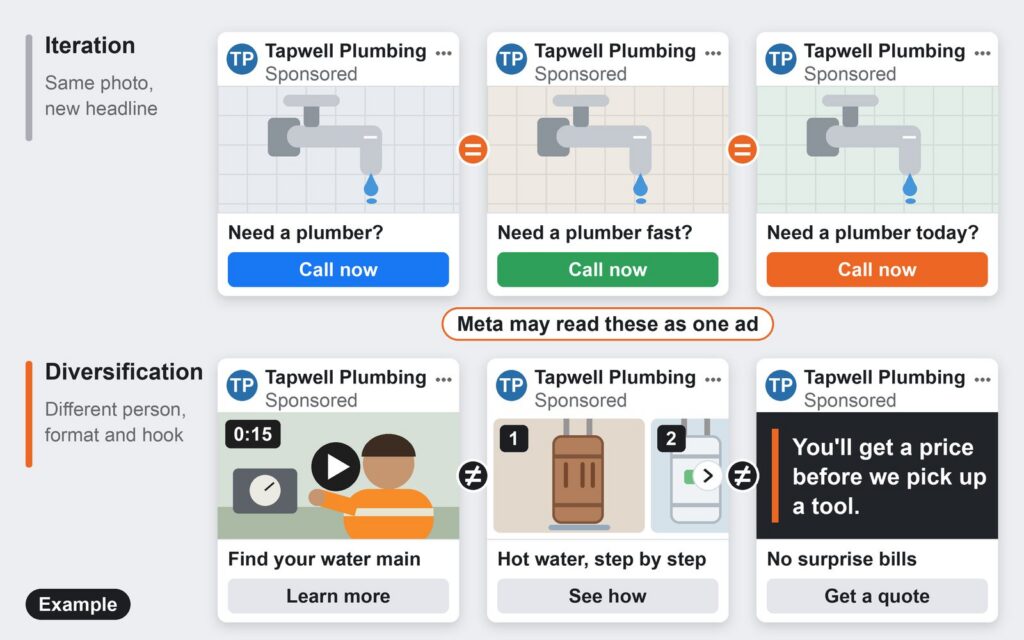
Meta groups ads that share key visual and thematic attributes, and images that are too alike can drive fatigue on their own (Meta for Business, Dec 2025). What counts is a different look, storyline, message, format or motivation. Meta gives no recommended number of ads, so anyone quoting one is guessing.
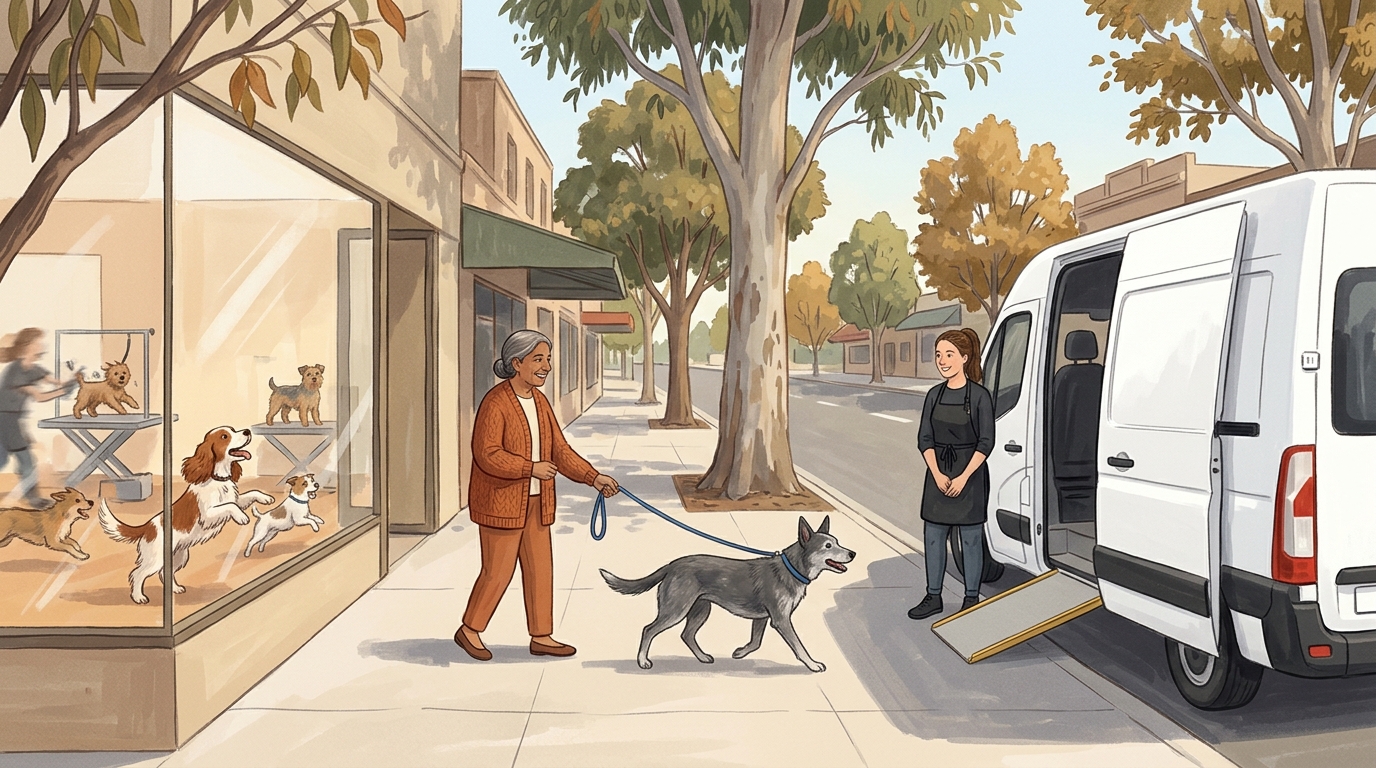
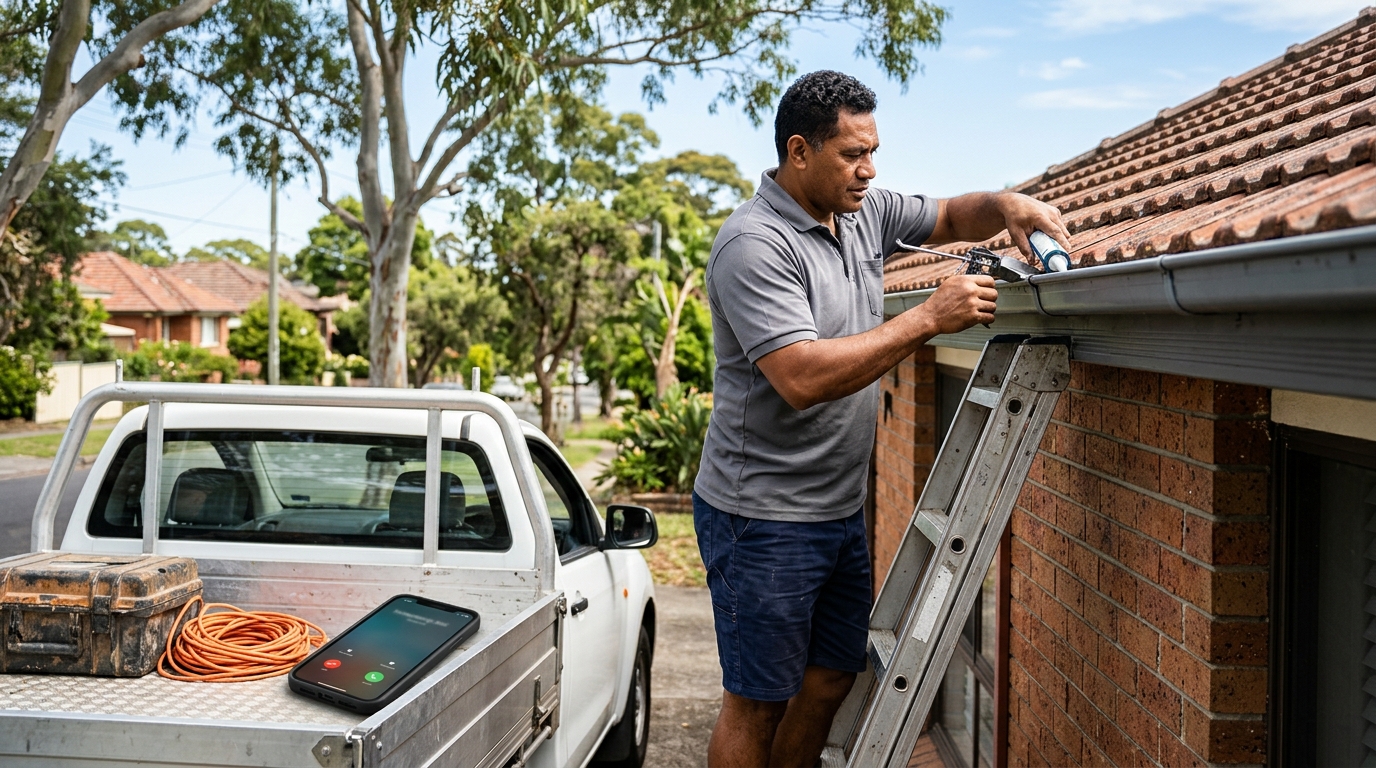
Picture a (hypothetical) plumber in Sydney’s Inner West running four ads on one photo of a dripping tap, with headlines from “Need a plumber?” to “Blocked drain? We can help.” That’s iteration, and Meta may group it as one look. Four genuinely different reasons to call would be a phone video on finding your water main before the plumber arrives, a photo of the real van and team, a step-by-step carousel of a hot water swap, and a plain card saying “You’ll get a price before we pick up a tool”.
Ten versions of one ad are still one ad. Variety comes from new ideas, not new fonts.
How to fix ad fatigue without a creative treadmill
Do less, and make each piece count. Six steps, in order.
Meta’s own 85-second explainer backs up the steps above: keep the tired ad running and give people a new angle, not just a new picture.
- Brainstorm reasons to buy, not headlines. Ask who calls you, and why now, then build one idea around each. Phone footage is fine. If nobody has time, that’s what help with making ad creative is for.
- Put the ideas into fewer ads. Meta warns that “too many ads can result in worse performance” and advises: “Decrease ads per ad set, but maintain diverse creative assets per ad set. One ad can contain multiple (up to ten) creative assets.” (Meta Business Help Centre) The flexible ad format does this, though not every account has it (Meta Business Help Centre) and it isn’t listed for leads campaigns.
- Keep the original running. This one feels wrong, but Meta’s fatigue page says: “Keeping your original ad active instead of pausing or turning it off may maximise results.”
- Merge ad sets and widen the audience. Meta recommends folding small geographic areas into larger ones (Meta Business Help Centre), so Parramatta, Blacktown and Penrith become one Western Sydney ad set.
- Expect a wobble, then leave it alone. A new ad sends the ad set back into learning (Meta Business Help Centre), which ends after about 50 results in the week after the last significant edit (Meta Business Help Centre). Many small accounts never get there. Judge over weeks, not days.
- Judge the fix on enquiries. Count leads, calls and sales, not click-through rate or CPM. A cheaper CPM that brings fewer jobs is not a win, and if you can’t count phone calls, call tracking is where to start.
Big accounts can afford volume. Yours probably can’t
To be fair to the volume crowd, Meta says testing new creative is essential, and its engineers reported in October 2026 that generative AI tools helped advertisers create hundreds of millions of new ads (Engineering at Meta). A big budget can absorb the misses. Spread a modest budget across too many ads and each gets less delivery, which is exactly what Meta warns against.
And if the offer itself is tired, or Meta isn’t the right channel for your business, no amount of creative will save it. That’s a question about choosing the right marketing channel.
One task for this week: line up the ads you believe are different and ask whether a stranger scrolling past would call them the same ad. If you’d like a second pair of eyes on the account, that’s what our Facebook ads management team does every week. Get in touch and tell us what’s changed.
Three questions I get about ad fatigue
What is ad fatigue? It’s when people see the same ad, or near-identical ads, so often that they stop responding and your cost per result rises. Meta calls it creative fatigue, and Ads Manager can flag it for you (Meta).
What is a good frequency for Facebook ads? Meta doesn’t publish one: it says frequency may average 1 to 2 per ad set or be much higher, depending on budget, audience size and schedule (Meta). Watch it alongside results, because rising frequency on its own proves very little.
How do you fix ad fatigue? Meta’s own fixes are a materially different new ad, keeping the original running and a wider audience. For a small business, that means a handful of different ideas in fewer ads, judged on enquiries.